Watch the guide video
Quick answer
For most listeners, a good moving magnet cartridge is the safest and most practical choice. It is widely compatible, usually easier to set up, and often allows the stylus to be replaced without buying a whole new cartridge.
Before spending more, check that your turntable can accept a cartridge upgrade, that your tonearm has the right adjustment, and that your phono input matches the cartridge type. A carefully matched modest cartridge will usually be a better buy than an expensive one fitted to the wrong arm or used with the wrong phono stage.
Key Takeaways
- The cartridge is not just an accessory; it is the part that reads the record groove.
- Moving magnet cartridges suit most buyers because they are practical, affordable and easy to match.
- Moving coil cartridges can be excellent, but they need a compatible phono stage and more care with setup.
- Stylus shape matters, but alignment and tracking force matter just as much.
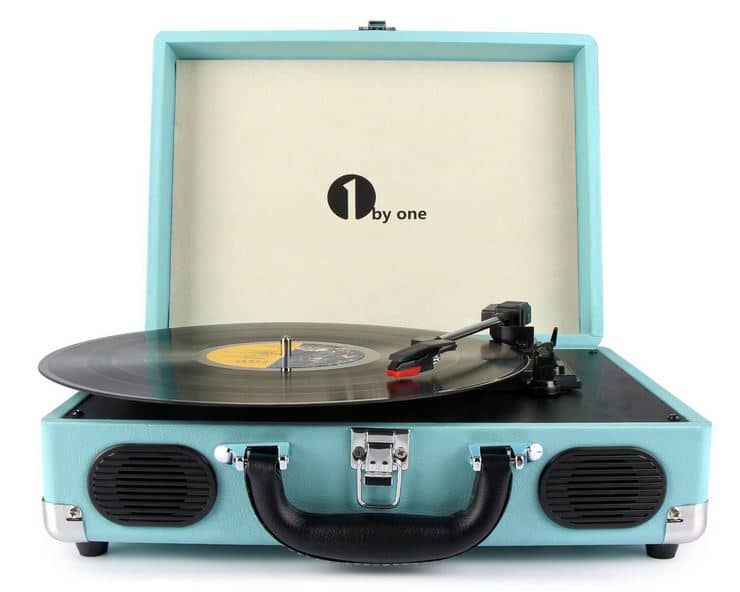
- Not every turntable can accept a cartridge upgrade, especially some compact, suitcase and all-in-one players.
- Always check mounting type, tracking force range, tonearm adjustment and phono stage compatibility before buying.
Who This Guide Is For
This guide is for listeners who already own a turntable and are wondering whether a cartridge upgrade will improve sound quality, reduce distortion or make records track more reliably.
It is also useful if you are buying a new turntable and want to understand the cartridge supplied with it. Many decks arrive with a fitted cartridge, but the quality and upgrade path can vary.
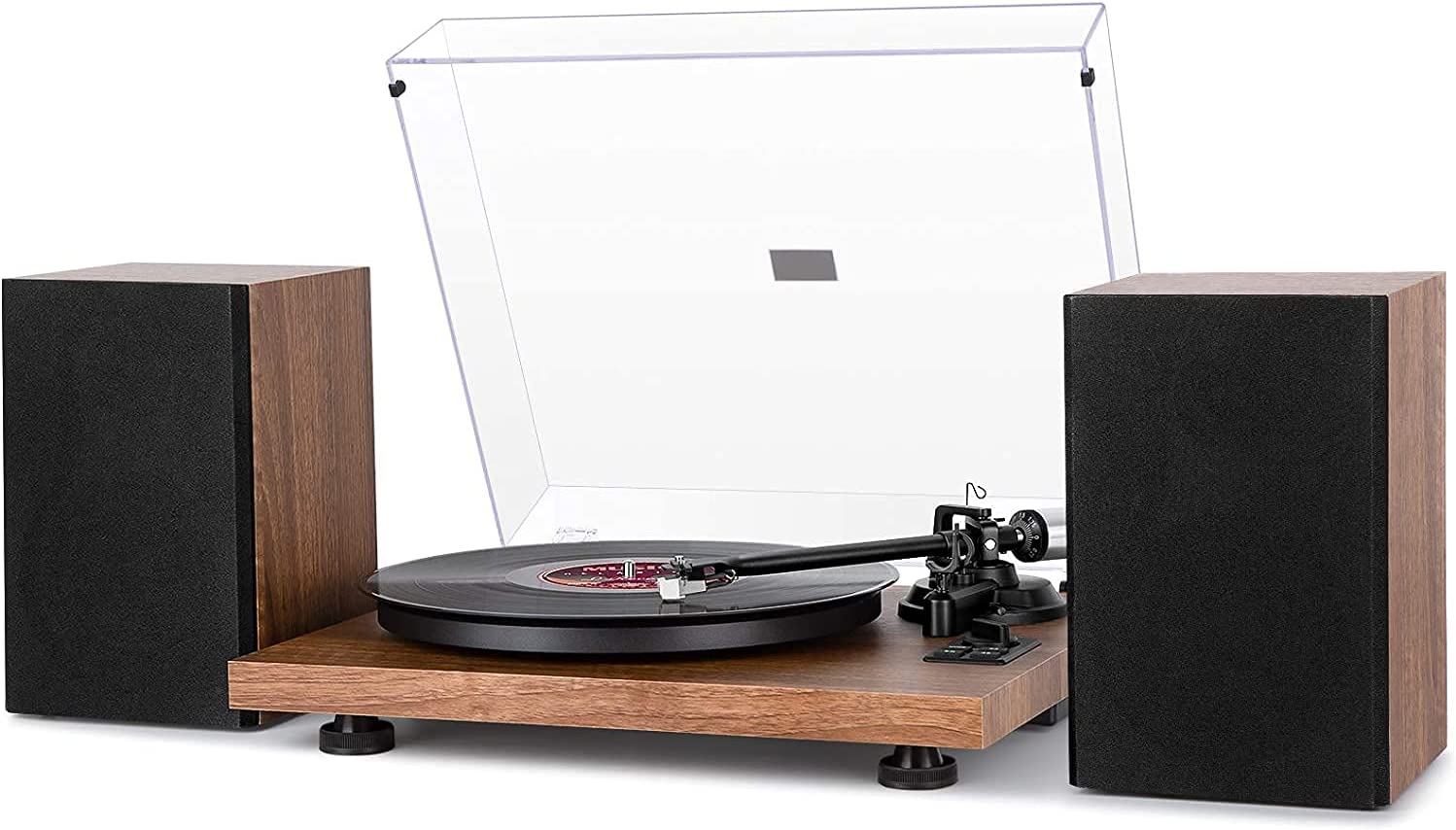
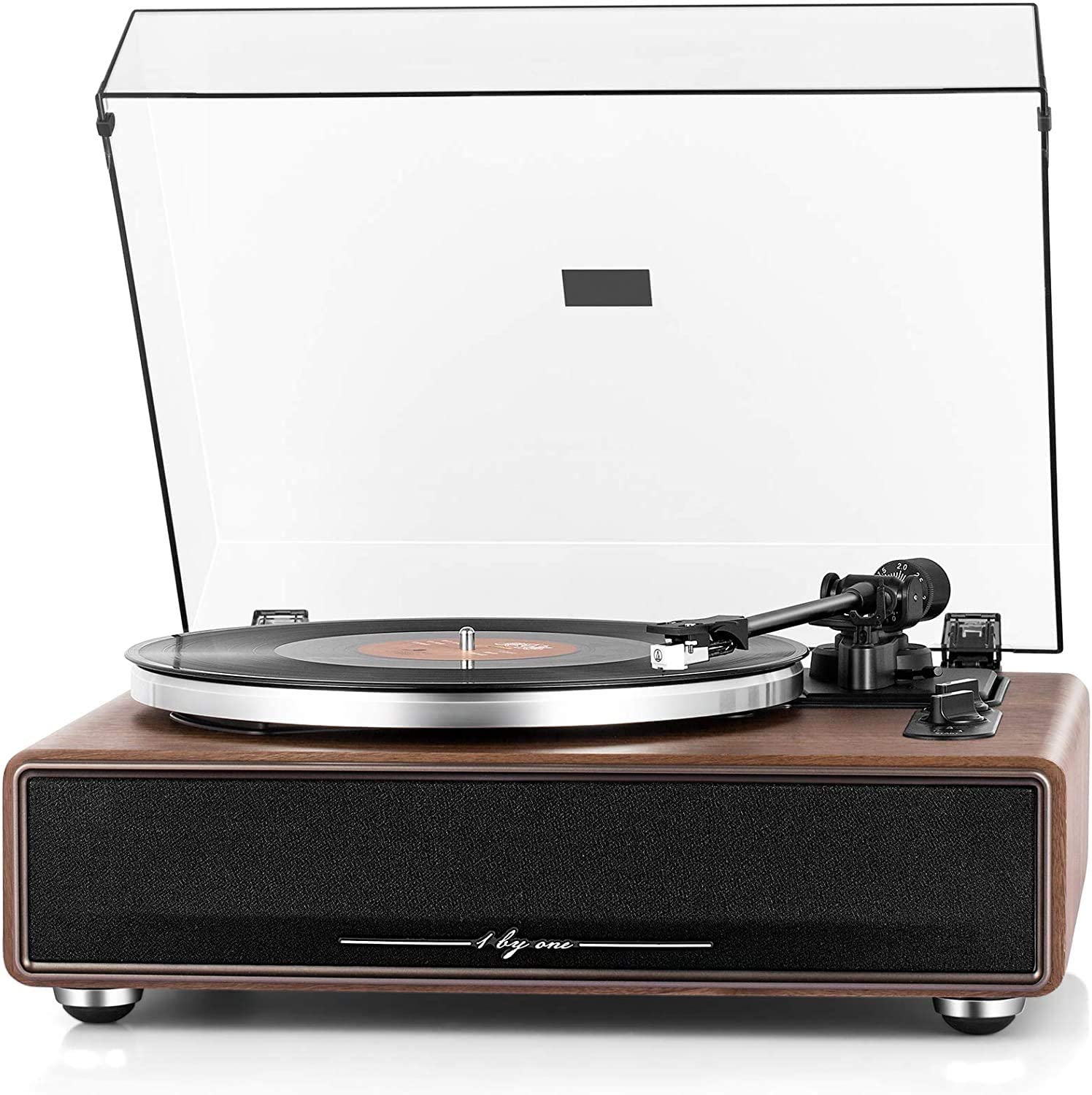
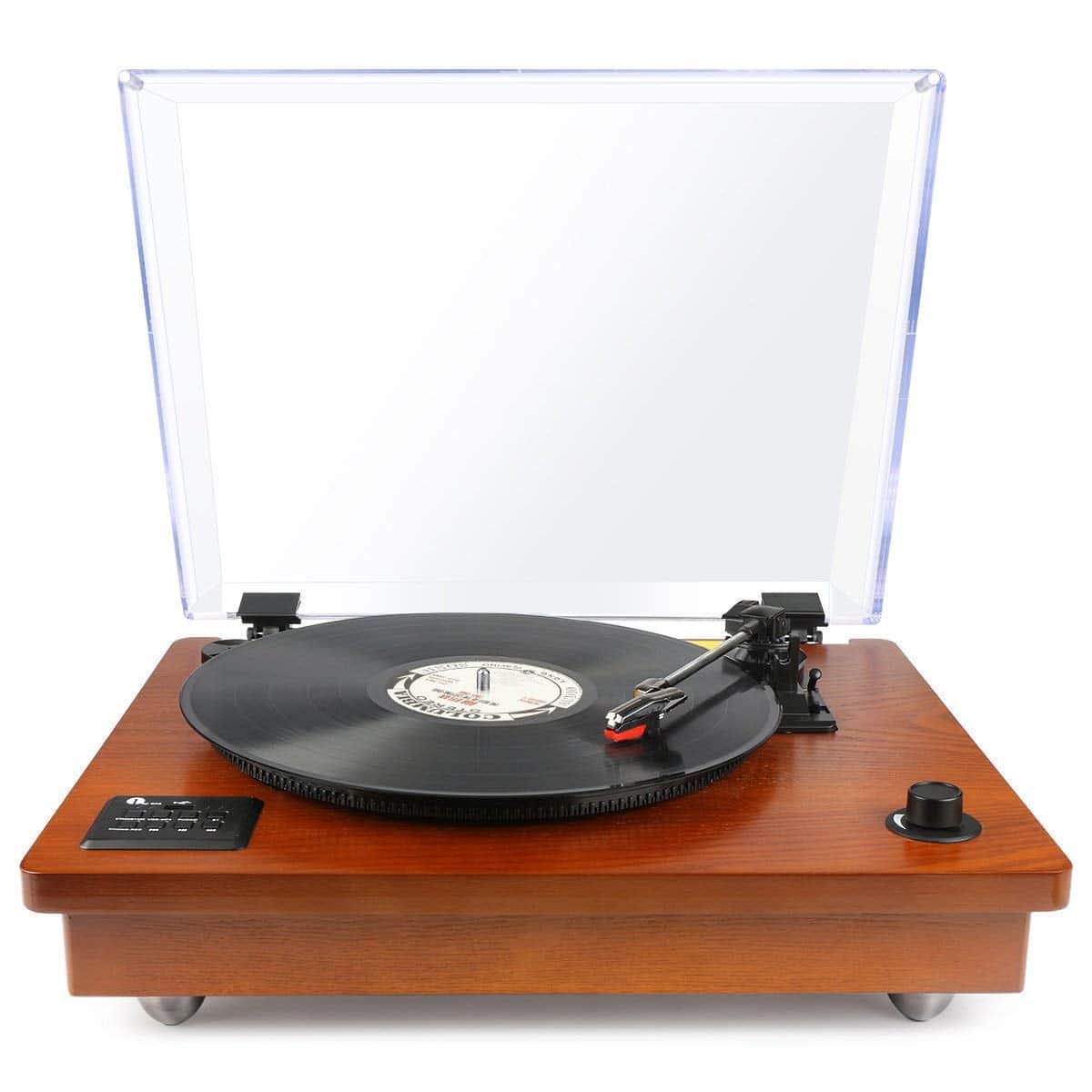
You will get most from this guide if you are comparing entry-level and mid-range turntables, such as USB, Bluetooth, automatic and manual models. Examples in the wider market include convenient decks like the Sony PS-LX310BT, automatic decks like the Denon DP-300F, and more upgrade-focused manual decks such as the Rega Planar 1 or Pro-Ject Debut Carbon EVO.
This guide is not aimed at professional cartridge retippers or people building a very specialist analogue system. It keeps the focus on practical buying decisions.
What a Cartridge Does
A record groove contains tiny movements that represent the music. The stylus sits in that groove, moves as the record turns, and passes that movement into the cartridge body.
Inside the cartridge, that movement is converted into a very small electrical signal. The signal then needs a phono stage to boost it and apply equalisation before it reaches an amplifier or powered speakers.
The cartridge affects how much detail is retrieved, how cleanly loud passages track, how much surface noise you hear, and how kind the system is to worn records. It cannot fix a badly made turntable, damaged records or poor speakers, but it can make a noticeable difference in a well-matched system.
Main Cartridge Types Explained
The three cartridge types most buyers encounter are moving magnet, moving coil and ceramic. They work differently and suit different types of turntable.
- Moving magnet, often shortened to MM, is the most common hi-fi choice.
- Moving coil, often shortened to MC, is more specialist and often more demanding.
- Ceramic cartridges are common on basic portable and all-in-one record players.
A moving magnet cartridge is usually the best starting point. It normally works with standard MM phono inputs, has a healthy output level, and often lets you replace or upgrade the stylus.
A moving coil cartridge can offer very fine performance, but it usually has a much lower output. That means you need an MC-compatible phono stage or a suitable step-up device, and replacement stylus options are often more limited.
Ceramic cartridges are different again. They have a higher output and are often used in simple record players with built-in speakers, but they are not normally the route to a serious upgrade path.
What to Consider Before Buying
Start with your turntable. Some models have a removable cartridge on a standard mount, while others only allow a stylus replacement or have a fixed cartridge system.
Check the headshell and mounting. Many hi-fi cartridges use a standard half-inch mount with two screws, while some decks use a plug-in or fixed arrangement that limits your choices.
Check whether the tonearm has adjustable tracking force. Tracking force is the downward pressure of the stylus on the record, and the cartridge maker will specify the correct range.
Check whether the tonearm has adjustable anti-skate. Anti-skate applies a small outward force to balance the arm’s natural pull towards the centre of the record.
Check your phono stage. A moving magnet cartridge needs an MM input, while a moving coil cartridge needs an MC input or suitable gain and loading options.
Check your speakers and amplifier before overspending. If the rest of the system is very modest, a costly cartridge may reveal limits elsewhere rather than transform the sound.
Features That Matter Most
The most important feature is compatibility. A cartridge that physically fits, tracks correctly and works with your phono stage is always a better choice than one with impressive claims but poor system matching.
Stylus shape is also important. A conical stylus is simple and forgiving, an elliptical stylus usually reads more detail from the groove, and more advanced shapes can improve tracing further if aligned carefully.
Tracking force range matters because the tonearm must be able to apply the recommended force accurately. Too little force can cause mistracking, while too much can increase wear.
Output level matters because the phono stage needs enough signal. Most MM cartridges are straightforward here, while low-output MC cartridges need more gain.
Channel balance and separation are often listed in specifications. In plain terms, they describe how evenly the left and right channels play and how well stereo information is kept apart.
Replaceable styli are a practical advantage. With many MM cartridges, you can replace the worn stylus without removing and realigning the entire cartridge.
Essential features: - Correct mounting for your tonearm. - Compatible tracking force range. - Suitable output for your phono stage. - A stylus type you can align and maintain properly. - Replacement styli that are available from reliable sellers.
Optional conveniences: - Pre-mounted cartridge and headshell for easier installation on compatible arms. - Upgrade stylus options within the same cartridge family. - Threaded cartridge bodies that make fitting easier. - Colour-coded pins that reduce wiring confusion. - Specialist stylus profiles for very clean records and careful setup.
Stylus Shapes and What They Mean
Stylus shape describes the profile of the diamond tip that sits in the groove. It affects tracking, detail retrieval, surface noise and setup sensitivity.
A conical stylus has a simple rounded shape. It can be forgiving on older or worn records, but it may not trace inner grooves as cleanly as more advanced shapes.
An elliptical stylus has a narrower contact area from front to back. It can often give clearer treble and better tracking than a conical stylus, making it a common upgrade choice.
Advanced shapes, such as line contact, microline or Shibata-style profiles, are designed to sit more precisely in the groove. They can retrieve more detail, but they need careful alignment and clean records to perform at their best.
System Compatibility and Matching
Cartridge matching is partly mechanical and partly electrical. Both sides matter.
Mechanical matching concerns the tonearm and cartridge working together. The cartridge suspension must suit the arm, otherwise bass, tracking and stability can suffer.
You may see the word compliance in cartridge specifications. Compliance describes how springy the cartridge suspension is, and it needs to suit the tonearm’s mass.
In simple terms, very light arms often suit higher-compliance cartridges, while heavier arms often suit lower-compliance cartridges. Many modern MM cartridges sit in a practical middle ground, which is one reason they are popular.
Electrical matching concerns the phono stage. MM cartridges normally expect a standard MM phono input, while MC cartridges vary more and may need adjustable gain and loading.
If your turntable has a built-in phono preamp, check whether it is MM-only. Many built-in phono stages on affordable USB or Bluetooth turntables are designed around moving magnet cartridges.
If your system uses powered speakers, such as bookshelf speakers in the style of Edifier R1280DB or House of Marley Get Together Duo, you still need a phono stage somewhere. It may be built into the turntable, built into the speakers, or supplied as a separate box.
Budget and Upgrade Priorities
Set the budget by looking at the whole playback chain. A cartridge upgrade makes most sense when the turntable is stable, the arm is adjustable, the records are clean, and the speakers are good enough to show the difference.
For a first upgrade, it is often sensible to move from a basic supplied stylus to a better compatible stylus, if the cartridge allows it. This avoids cartridge alignment and keeps the upgrade simple.
If replacing the whole cartridge, leave room in the budget for setup tools or professional fitting if needed. A cartridge alignment protractor, stylus force gauge and decent record brush can be more useful than spending every pound on the cartridge itself.
Do not assume the most expensive cartridge is the best match. A high-end cartridge on an entry-level arm may be difficult to set up and may expose speed, vibration or bearing limitations in the deck.
A balanced upgrade path usually looks like this: 1. Replace a worn stylus. 2.
Clean records and set tracking force correctly. 3. Upgrade the stylus within the existing cartridge family if possible.
- Upgrade the cartridge if the turntable and tonearm justify it. 5.
Consider a better phono stage if the cartridge and system have outgrown the built-in option.
Choosing for Different Buyers
If you are a beginner, choose a straightforward MM cartridge with a replaceable stylus and clear setup instructions. Avoid anything that needs unusual loading, specialist alignment or very exacting tonearm matching.
If you use an automatic turntable, check the manufacturer’s cartridge and stylus compatibility carefully. Automatic mechanisms can limit arm adjustment, so you should avoid cartridges that require settings the deck cannot provide.
If you own a Bluetooth or USB turntable, decide whether convenience or upgrade potential matters more. Decks in these categories can be very useful, but cartridge flexibility varies widely by model.
If you mainly play second-hand records, a forgiving MM cartridge with an elliptical or good conical stylus may be more satisfying than a very revealing cartridge. It can reduce the temptation to chase detail at the expense of enjoyable listening.
If you listen closely on a revealing hi-fi system, a better stylus profile and more carefully matched cartridge may be worthwhile. This is where alignment accuracy, phono stage quality and record condition become more important.
If you DJ or scratch, do not buy a normal hi-fi cartridge for that job. DJ cartridges are designed around cueing, back-cueing, robustness and tracking under different conditions.
Common Mistakes
- Replacing the cartridge when the stylus is simply worn.
- Buying moving coil without checking the phono stage.
- Fitting a cartridge to a tonearm with no suitable tracking force adjustment.
- Ignoring alignment and blaming the cartridge for distortion.
- Using too little tracking force because it seems gentler on records.
- Buying a stylus from an unclear source and ending up with a poor-quality replacement.
- Expecting a cartridge to fix warped, dirty or damaged records.
Too little tracking force is a particularly common problem. If the stylus cannot sit securely in the groove, it can mistrack and cause more damage than correct tracking at the recommended force.
Another mistake is upgrading a cartridge on a turntable with built-in speakers and a lightweight arm that was not designed for hi-fi cartridge setup. In that case, the better purchase may be a more suitable turntable rather than a cartridge.
Final Checklist
Use this checklist before ordering a cartridge or replacement stylus.
- Does your turntable allow cartridge replacement, or only stylus replacement?
- Is the cartridge mount standard half-inch, plug-in, fixed or proprietary?
- Can the tonearm tracking force be adjusted to the cartridge’s recommended range?
- Can anti-skate be adjusted or set appropriately?
- Is your phono input MM, MC, switchable or unknown?
- Does the cartridge output suit your phono stage?
- Are genuine replacement styli available?
- Is the stylus shape suitable for your setup skills and record condition?
- Will the cartridge suit the rest of your system, rather than just the turntable?
- Have you budgeted for setup tools or fitting if needed?
If you are fitting it yourself, follow a careful order.
- Turn off the amplifier and lower the volume before changing connections.
- Fit the cartridge securely without overtightening the screws.
- Connect the four headshell wires to the correct pins.
- Align the cartridge using a suitable protractor for your tonearm.
- Set tracking force using the cartridge maker’s recommended range.
- Set anti-skate to match the tracking force as a starting point.
- Test with a clean, familiar record and listen for distortion, channel imbalance or skipping.
Frequently asked questions
How often should I replace my stylus?
It depends on stylus type, record cleanliness, tracking force and how often you play records. Manufacturers often give an estimated lifespan, so use that as your main guide.
If you hear new distortion, sibilance, dull treble or mistracking on records that previously sounded fine, stop and inspect the stylus. Do not keep playing valuable records with a visibly damaged or badly worn stylus.
Can I put any cartridge on any turntable?
No. The cartridge must fit the tonearm, work within its tracking force range, and match the phono stage.
Some turntables have fixed cartridges or limited adjustment, especially compact, portable and all-in-one designs. Always check the manual or manufacturer information before buying.
Is a moving coil cartridge always better than moving magnet?
No. Moving coil cartridges can be excellent, but they are not automatically better for every system or listener.
A well-matched moving magnet cartridge is often the better choice for normal home listening. It is usually easier to set up, easier to replace the stylus on, and less demanding of the phono stage.
Will a new cartridge reduce crackle and surface noise?
Sometimes, but it depends on the cause. If the noise is from dust, static or groove damage, a cartridge cannot remove it completely.
A different stylus shape may ride the groove differently and change how surface noise is presented. Cleaning records properly is still the first step.
Do I need a phono preamp for a cartridge upgrade?
You need a phono stage somewhere in the system, but it may already be built into your turntable, amplifier or powered speakers. The important point is whether it matches the cartridge type.
Most moving magnet cartridges need an MM phono input. Moving coil cartridges need MC compatibility or extra equipment with suitable gain.
What is cartridge alignment and why does it matter?
Alignment means setting the cartridge angle and position so the stylus sits correctly in the groove across the record side. Poor alignment can cause distortion, uneven wear and weak stereo imaging.
It matters more as stylus profiles become more advanced. A conical stylus is more forgiving, while line contact and similar shapes need greater care.
Can I upgrade just the stylus instead of the whole cartridge?
Often, yes, if your cartridge family offers compatible stylus upgrades. This can be a simple and cost-effective way to improve performance.
Check exact compatibility before buying. A stylus that looks similar may not fit or track correctly.
Should I choose a cartridge based on music style?
Music taste can guide your preference, but compatibility should come first. A cartridge that tracks cleanly and matches the system will handle more music well.
If you play loud rock, dense electronic music or inner-groove-heavy albums, tracking ability matters. If you play many older used records, a forgiving stylus and sensible setup may matter more than maximum detail.
Final recommendation
For most vinyl listeners, the best next step is a compatible moving magnet cartridge or a genuine stylus upgrade for the cartridge already fitted. Start by checking what your turntable can actually accept, then match the cartridge to the tonearm and phono stage.
If your current stylus is worn, replace it before judging the rest of the system. If the turntable has limited adjustment or a fixed cartridge, put your money towards a better turntable rather than forcing an unsuitable upgrade.
The strongest purchase is rarely the most exotic cartridge. It is the one you can fit correctly, replace styli for easily, and enjoy with the records and equipment you already own.