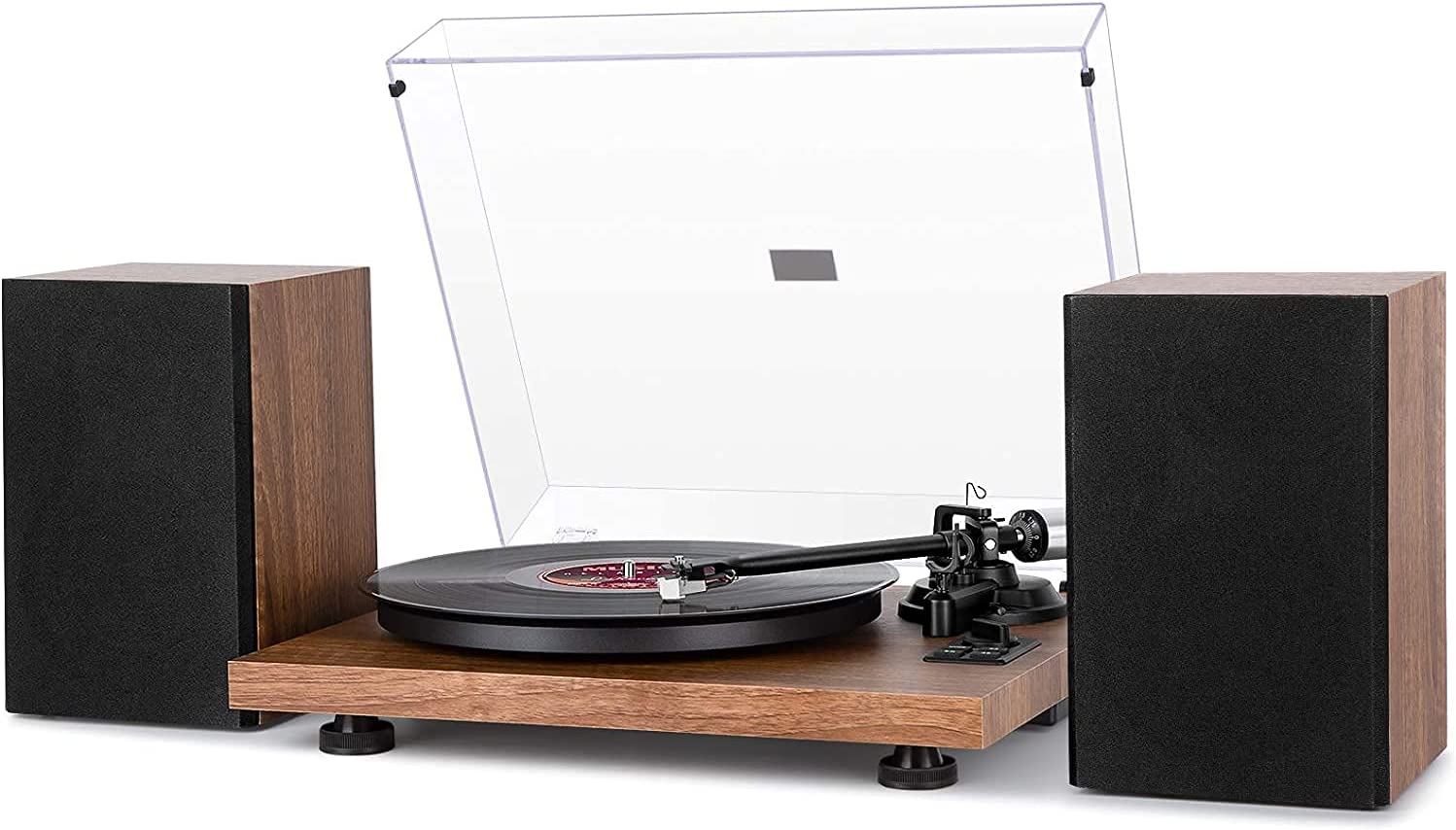
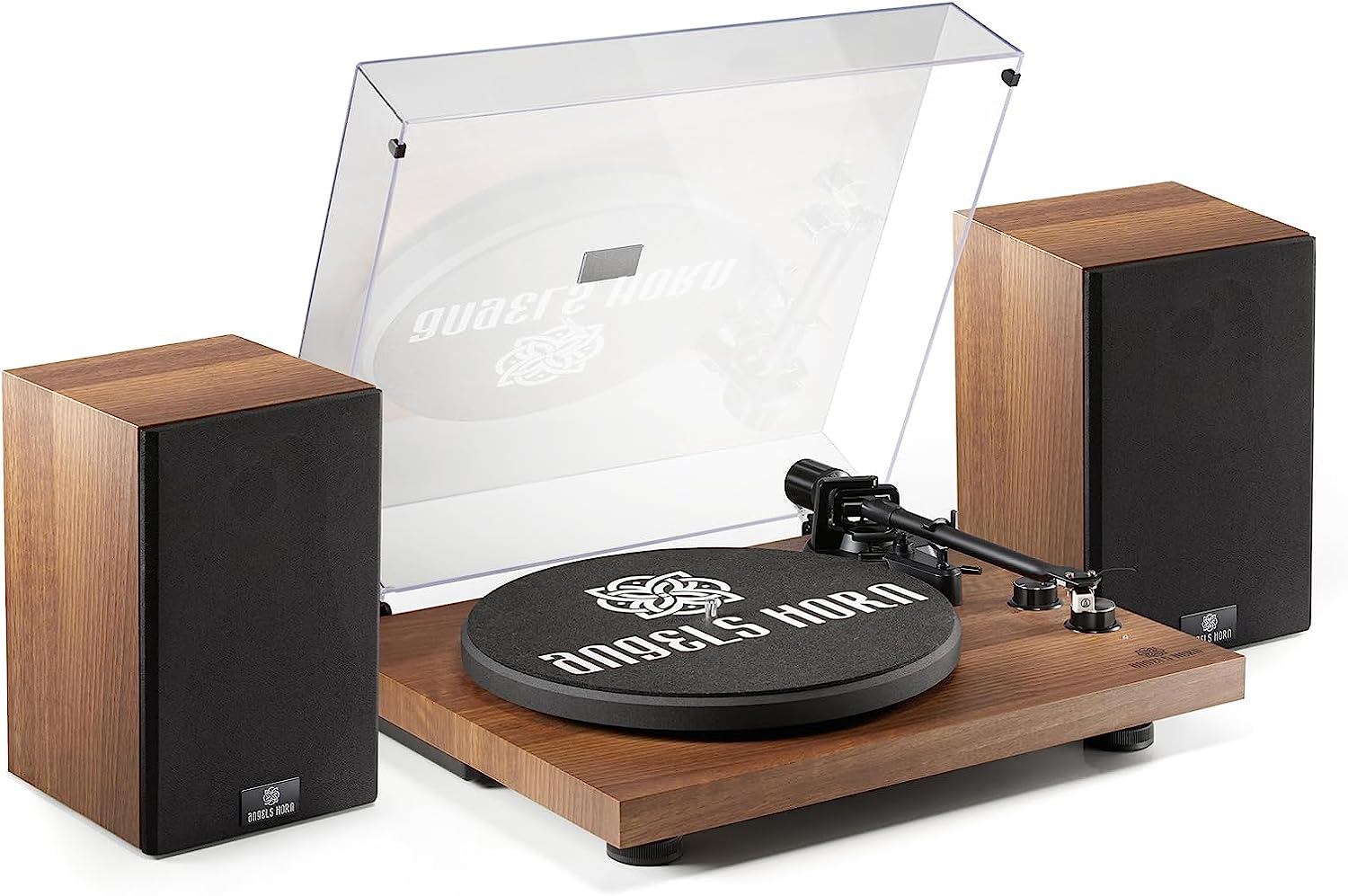
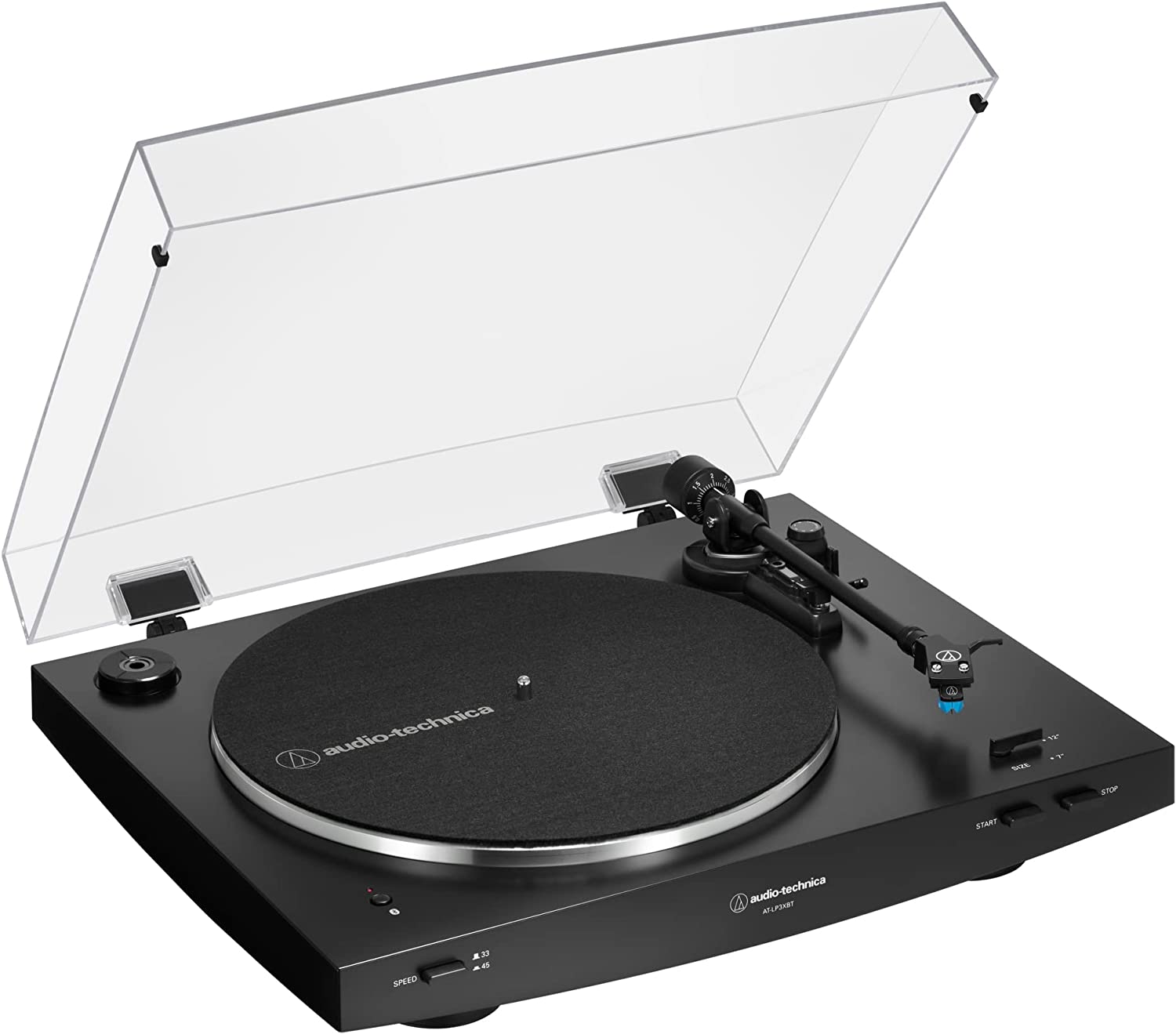
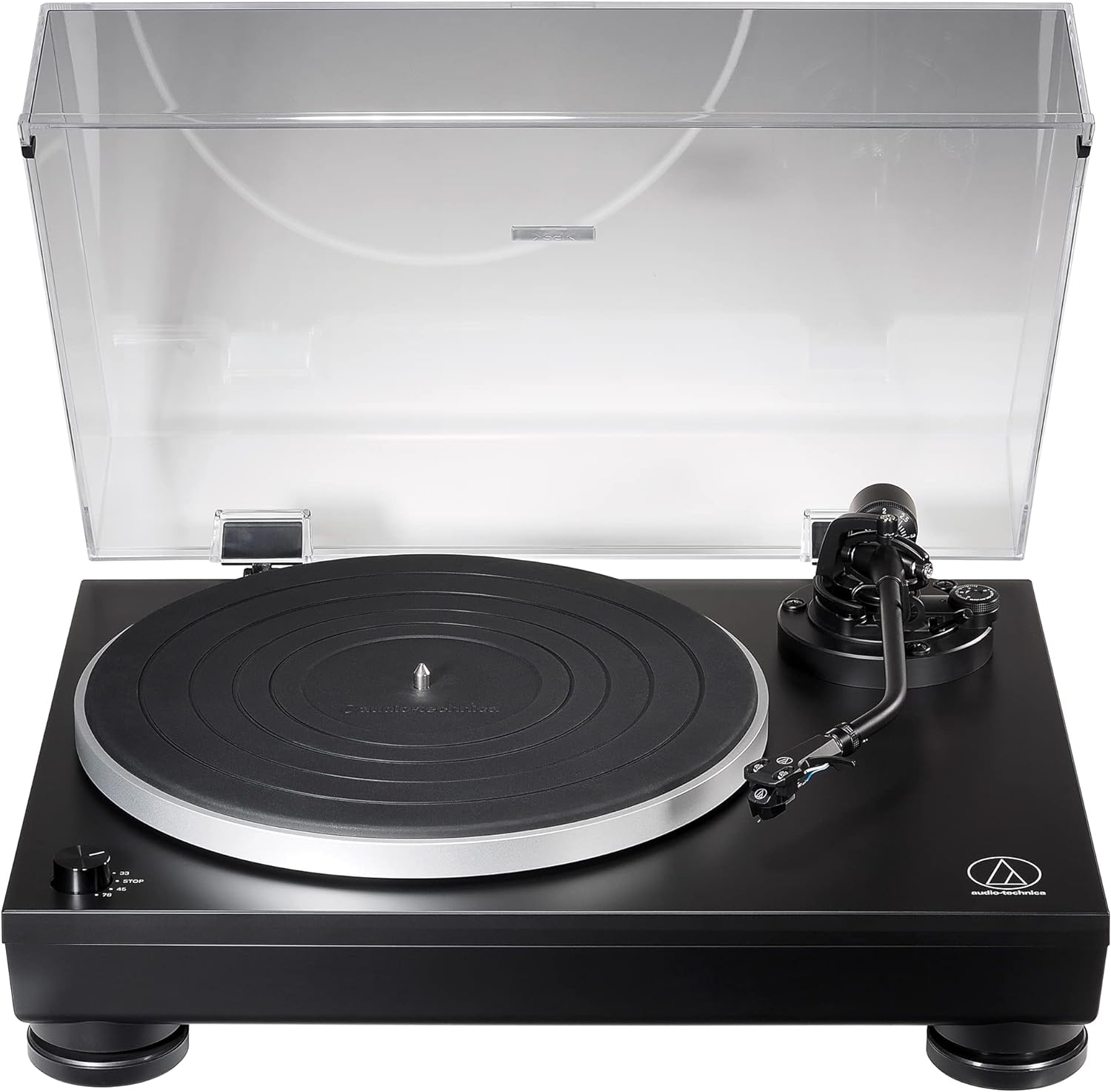
Watch the guide video
Quick answer
Belt drive turntables are often a good fit for home listening, especially if you want a simple hi-fi deck with low mechanical noise and do not need DJ features. Direct drive turntables are usually better for DJ use, frequent cueing, fast start-up and anyone who values strong speed control.
Neither system is automatically better. A well-designed belt drive deck can outperform a poor direct drive model, and a well-engineered direct drive deck can be superb for home listening.
Key Takeaways
- Belt drive uses an elastic belt to turn the platter, usually with the motor set away from the centre spindle.
- Direct drive places the platter on, or very close to, the motor system, so the motor turns the platter directly.
- Belt drive is often chosen for home hi-fi listening because the belt can help isolate motor vibration.
- Direct drive is often chosen for DJing, back-cueing and frequent handling because it starts quickly and has strong rotational control.
- Sound quality depends on the whole turntable, not only the drive type.
- Maintenance differs: belts eventually wear, while direct drive systems avoid belt changes but rely more on motor and control electronics.
- Compare like with like: a basic belt drive record player should not be judged against a much more expensive direct drive deck, or the other way round.
The Main Difference
A belt drive turntable uses a separate motor and a belt, usually made from rubber or a similar flexible material. The belt connects the motor pulley to the platter or a sub-platter, which then spins the record.
The point of the belt is not just to make the platter turn. It can also reduce the amount of motor vibration reaching the record and stylus.
A direct drive turntable connects the platter more directly to the motor system. In plain terms, the motor is part of the platter’s drive mechanism rather than sitting to one side and pulling it with a belt.
The practical result is different behaviour. Direct drive decks normally reach speed quickly, resist slowing under hand pressure and are better suited to cueing, mixing and scratching.
Belt drive decks usually feel more separated from the motor. This is one reason many domestic hi-fi turntables use belt drive, especially simple manual models designed mainly for listening.
Side-by-Side Comparison
- Drive method: Belt drive uses a belt between the motor and platter. Direct drive uses the motor to turn the platter directly.
- Typical home use: Belt drive is common on minimalist hi-fi turntables. Direct drive is common on DJ-style decks and some higher-end listening decks.
- Start-up: Belt drive may take a moment to reach stable speed. Direct drive usually gets up to speed faster.
- Cueing and handling: Belt drive is less suited to repeated hand control of the record. Direct drive is better for back-cueing and manual control.
- Maintenance: Belt drive needs occasional belt replacement. Direct drive avoids belts but depends on motor control electronics.
- Noise control: Belt drive can help isolate motor vibration. Direct drive relies on motor design, platter construction and electronic control.
- Speed control: Direct drive often has strong speed consistency, especially on well-made models. Belt drive can also be stable when properly engineered and maintained.
- Upgrade path: Belt drive turntables often focus upgrades on cartridge, mat, platter or power supply. Direct drive decks often focus on cartridge, headshell, mat and isolation.
This comparison describes common tendencies, not fixed rules. There are quiet direct drive decks and very speed-stable belt drive decks.
Product examples can help frame the categories. The Technics SL-100C is a direct drive hi-fi example, while the Audio-Technica LPW50PB is listed as a manual belt drive turntable.
DJ-influenced models such as the Pioneer PLX-500-K and some Audio-Technica USB turntables show why direct drive is often associated with hands-on control. By contrast, models from Rega and Pro-Ject are widely associated with the domestic belt drive approach.
Sound Quality: What You May Actually Hear
The drive system affects sound through speed stability, vibration control and noise. These are not always obvious in a quick shop demonstration, but they can matter over long listening sessions.
Speed instability can make sustained piano notes, strings or vocals sound slightly unsteady. In turntable terms, this is often discussed as wow and flutter, which means small variations in pitch caused by speed changes.
Motor noise can reach the stylus as a low-level hum, rumble or texture underneath the music. The stylus is extremely sensitive, so mechanical vibration matters even when the motor seems quiet from outside.
Belt drive designs try to reduce this by physically separating the motor from the platter. The belt acts as a flexible link rather than a rigid connection.
Direct drive designs solve the problem differently. A good direct drive motor must turn smoothly without sending unwanted vibration into the record surface.
Do not assume belt drive means warmer or direct drive means clinical. Those descriptions are too vague to be useful, and the cartridge, tonearm and speakers may change the sound more obviously.
Speed Stability and Pitch Control
Direct drive turntables are often praised for speed stability because the motor can control the platter very directly. This is useful for DJs, but it also matters for listeners who notice pitch on piano, synths or long held notes.
Many direct drive decks also include pitch adjustment. This lets the user make small speed changes, which is essential for beatmatching records.
For ordinary home listening, pitch control is not always needed. In fact, some buyers prefer a simpler layout with fewer controls to adjust accidentally.
Belt drive speed stability depends on motor quality, belt condition, platter mass and design. A fresh, correctly fitted belt can run very well, while an old stretched belt may cause speed problems.
If a belt drive deck sounds slow, wobbly or inconsistent, the belt is one of the first things to check. It is a normal wear part, not necessarily a sign that the whole turntable is faulty.
Setup, Maintenance and Everyday Ownership
Belt drive decks may need slightly more routine attention. The belt can stretch, harden or slip over time, especially if the turntable has been stored unused for years.
Direct drive decks remove that particular maintenance task. However, if a direct drive motor or speed control circuit develops a fault, it is not usually a simple home fix.
For either type, safe and sensible setup matters more than many buyers expect.
- Place the turntable on a level, stable surface away from speakers.
- Fit the platter and mat correctly, following the manufacturer’s instructions.
- Set tracking force and anti-skate if the tonearm allows adjustment.
- Check the cartridge is properly seated and the stylus is clean.
- Confirm the correct speed before playing an important record.
Never open the unit to attempt electrical repair unless you are qualified to do so. If there is a power fault, burning smell, exposed wiring or repeated fuse issue, stop using it and seek professional help.
DJing, Scratching and Hands-On Use
Direct drive is normally the better choice for DJing. The platter has more torque, meaning it resists slowing and can return to speed quickly after being held.
This matters when cueing a track, beatmatching, back-cueing or scratching. A belt drive deck can feel sluggish or strained under that kind of use.
Portable scratch turntables such as the Numark PT01 Scratch exist for a specific hands-on purpose. They should not be judged by the same priorities as a quiet living-room hi-fi deck.
If you only listen to albums from start to finish, DJ features may add cost and complexity you do not need. A clean manual belt drive turntable can be a calmer and simpler choice for that use.
Advantages and Disadvantages
Belt drive advantages:
- Often well suited to home hi-fi listening.
- The belt can help reduce motor vibration reaching the record.
- Many models have simple, clean layouts with fewer controls.
- Belt replacement is usually a straightforward maintenance job.
- Good option if you mainly play full albums and do not handle the record while it spins.
Belt drive disadvantages:
- Belts wear and may need replacing.
- Start-up can be slower than direct drive.
- Less suitable for scratching, back-cueing and DJ work.
- Speed can suffer if the belt is old, contaminated or incorrectly fitted.
- Some models require moving the belt manually to change speed.
Direct drive advantages:
- Fast start-up and strong platter control.
- Better suited to DJing, cueing and frequent handling.
- No belt to stretch, slip or replace.
- Often includes useful speed controls for mixing or technical use.
- Well-engineered examples can be excellent for home listening too.
Direct drive disadvantages:
- Poor designs may allow motor noise or control artefacts to affect playback.
- DJ-style controls can be unnecessary for simple home use.
- Repairs to motor or electronics are not usually DIY-friendly.
- Some models are larger and heavier than minimalist belt drive decks.
- A rugged appearance does not automatically mean better sound quality.
Which Is Better for Different Buyers
Choose belt drive if you mainly sit down and listen to records at home. It is especially sensible if you want a straightforward hi-fi deck, a clean appearance and a focus on the cartridge, arm and speakers rather than DJ controls.
A belt drive model such as the Audio-Technica LPW50PB fits the kind of buyer looking for a manual listening deck rather than a performance tool. Rega Planar and Pro-Ject Debut models are also useful examples of the hi-fi belt drive tradition.
Choose direct drive if you want to DJ, learn to mix, cue tracks repeatedly or handle records while the platter is spinning. A direct drive deck is designed to cope better with that kind of physical interaction.
A Technics SL-100C shows that direct drive is not only for clubs or DJs. It is also used in serious home turntables where speed control and engineering precision are priorities.
Choose direct drive if you dislike the idea of belt changes. Just remember that avoiding belt maintenance does not make the turntable maintenance-free.
Choose belt drive if you prefer mechanical simplicity and are happy to replace a belt when needed. For many home listeners, that is a small trade-off.
If you want Bluetooth, USB recording or automatic operation, consider those features separately from the drive system. A convenient feature can matter more day to day than whether the platter is belt or direct driven.
Common Mistakes
- Comparing across price and build quality rather than comparing equivalent models.
- Assuming all belt drive turntables sound soft, warm or old-fashioned.
- Assuming all direct drive turntables are noisy or only suitable for DJs.
- Ignoring the cartridge and stylus, which have a major effect on sound and record wear.
- Buying a turntable with built-in speakers and expecting it to perform like a separate hi-fi system.
- Forgetting that placement affects both types, especially on furniture that wobbles or resonates.
- Overvaluing features such as Bluetooth or USB if the basic tonearm and cartridge are poor.
If you are comparing two models, check the basics first. Look for adjustable tracking force, a replaceable stylus or cartridge, a stable platter, sensible isolation and a clear setup process.
Also think about the system around the turntable. Good powered speakers, a proper phono stage and correct setup can make a bigger practical difference than switching drive type alone.
How to Compare Like with Like
A fair comparison means matching turntables by intended use and overall quality. A basic suitcase-style record player is not a fair opponent for a carefully built hi-fi deck, regardless of drive system.
Use these checks before deciding:
- Is the turntable designed for home listening, DJing, portability or convenience?
- Does it have a proper tonearm with suitable tracking force?
- Can the stylus or cartridge be replaced?
- Is the platter stable and well supported?
- Does it include features you genuinely need, such as USB, Bluetooth or automatic start?
- Will it connect easily to your amplifier, powered speakers or phono stage?
Bluetooth and USB models can be very convenient, but they do not make the drive system irrelevant. They simply add another part of the signal chain to consider.
If you are new to vinyl, do not buy solely on the promise of direct drive or belt drive. Buy the turntable that best matches your records, room, speakers and patience for setup.
The Verdict
There is no universal winner between belt drive and direct drive turntables. The better choice is the one that suits the job you need the turntable to do.
For relaxed home listening, belt drive remains a very strong choice. It is simple, widely used in hi-fi designs and often offers good value when paired with a decent cartridge and speakers.
For DJing, mixing, scratching or frequent cueing, direct drive is the more practical choice. It gives the platter control and speed behaviour that belt drive decks are not usually built to provide.
For serious home listening, both can be excellent. Judge the complete turntable rather than the drive label printed on the box.
Frequently asked questions
Do belt drive turntables always need better setup than direct drive models?
Not always, but many belt drive hi-fi decks are manual and expect the owner to set them up carefully.
Direct drive decks can also need proper setup, especially if they have adjustable tonearms, removable headshells or DJ controls. Tracking force, anti-skate and level placement matter on both types.
How often should a turntable belt be replaced?
There is no fixed interval that applies to every belt. Replace it if the turntable struggles to reach speed, runs inconsistently, the belt looks cracked or slack, or it slips off the pulley.
If you buy a used belt drive deck, budget for a new belt as a sensible first maintenance step.
Can a direct drive turntable damage records?
The drive system itself is not what normally damages records. Record wear is more closely linked to stylus condition, tracking force, cartridge alignment, cleanliness and rough handling.
A badly set up belt drive deck can be harder on records than a correctly set up direct drive deck, and vice versa.
Is direct drive better for digitising records to USB?
Not automatically. USB recording quality depends on the cartridge, phono stage, analogue-to-digital conversion and software process, as well as speed stability.
A direct drive USB deck may be convenient, but a well-set-up belt drive turntable feeding a good recording chain can also produce worthwhile results.
Will I hear motor noise from a direct drive turntable?
On a well-designed direct drive turntable, motor noise should be well controlled. On a poor design, mechanical or electronic noise can be more noticeable.
Listen for low hum, rumble or uneven pitch if you are auditioning a deck. Also check that the noise is not coming from grounding, speakers, cables or a worn stylus.
Are automatic turntables usually belt drive or direct drive?
Automatic turntables can use either system, although many affordable automatic home models use belt drive. The automatic mechanism is a separate issue from how the platter is driven.
If you want automatic start and return, check that feature directly rather than assuming it from the drive type.
Is belt drive too slow or inconvenient for everyday use?
For normal album listening, belt drive is usually convenient enough. The slower start-up is only a problem if you need instant response or hands-on platter control.
Some belt drive decks make speed changes less convenient, especially if you have to move the belt by hand. If you often switch between 33 and 45 rpm records, check how speed change works before buying.
Final recommendation
Start with your use case, not the argument. If you want a calm home listening setup, shortlist well-made belt drive and direct drive hi-fi models and compare the complete design.
If you want to DJ, scratch or cue records by hand, make direct drive your default choice. It is the more practical tool for that job.
Before buying, check the cartridge, stylus replacement options, tonearm adjustment, connection needs and where the turntable will sit. Those details will shape your day-to-day experience as much as the drive system.
Final recommendation: choose belt drive for simple domestic listening and easy mechanical ownership, unless you need direct drive’s handling strengths. Choose direct drive for DJ use, fast start-up and strong platter control, without assuming it is automatically better for every listener.