Watch the guide video
Quick answer
The best premium turntable for most experienced listeners is the one that gives you stable speed, a well-engineered tonearm, good isolation, a properly matched cartridge and straightforward setup in your existing system.
Do not judge by weight, finish or brand reputation alone. Spend enough on the turntable to get the fundamentals right, but keep budget aside for the cartridge, phono stage, support surface and record care.
Key Takeaways
A premium turntable should improve the basics before it adds conveniences. Look first at speed stability, tonearm quality, cartridge compatibility, vibration control and setup accuracy.
The cartridge and phono stage matter almost as much as the deck. A strong turntable with a poorly matched cartridge or unsuitable phono stage can sound less convincing than a more modest but better-balanced system.
- Essential: stable platter speed, low unwanted vibration, adjustable tonearm settings, solid bearing design and reliable cartridge alignment.
- Important for many buyers: upgradeable cartridge, external phono stage compatibility, good dust cover behaviour and easy speed change.
- Optional: Bluetooth, USB recording, automatic operation, built-in phono stage and decorative finishes.
Who This Guide Is For
This guide is for listeners moving beyond entry-level decks, all-in-one record players or older turntables that are now limiting the rest of the system. It is also useful if you already own good speakers and amplification and want the turntable to stop being the weak link.
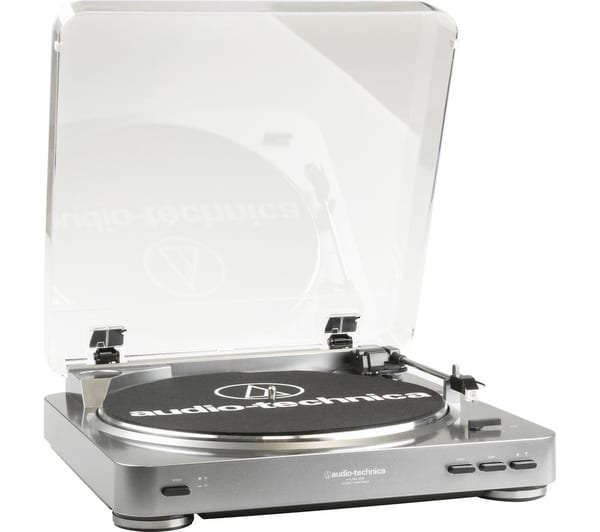
You may be comparing models such as the Pro-Ject Debut PRO, Technics SL-100C, Technics SL-1500C, Rega Planar models, Fluance RT85 or Marantz TT-15S1. These examples show the range of premium choices, from minimalist manual designs to more convenience-led decks.
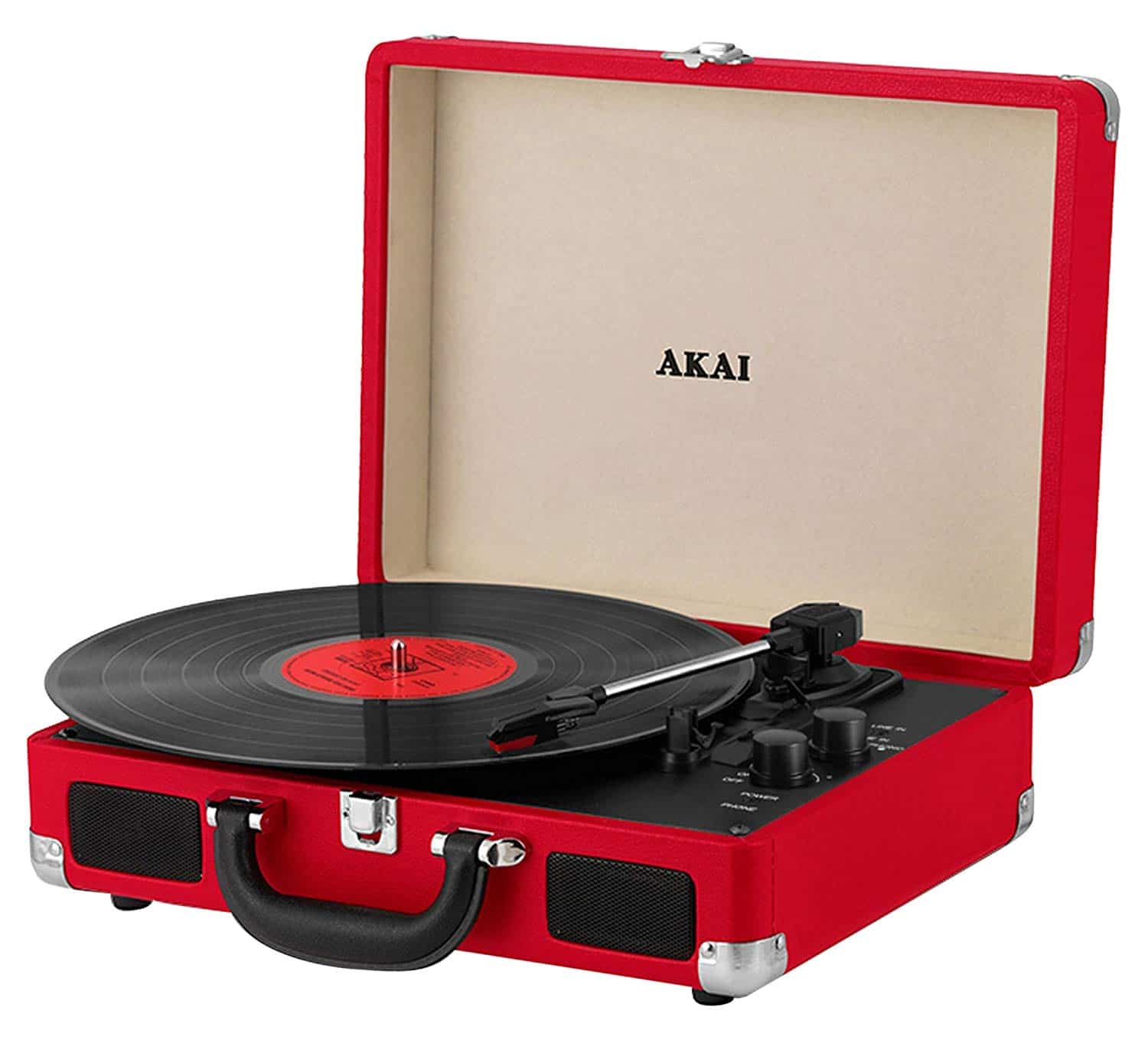
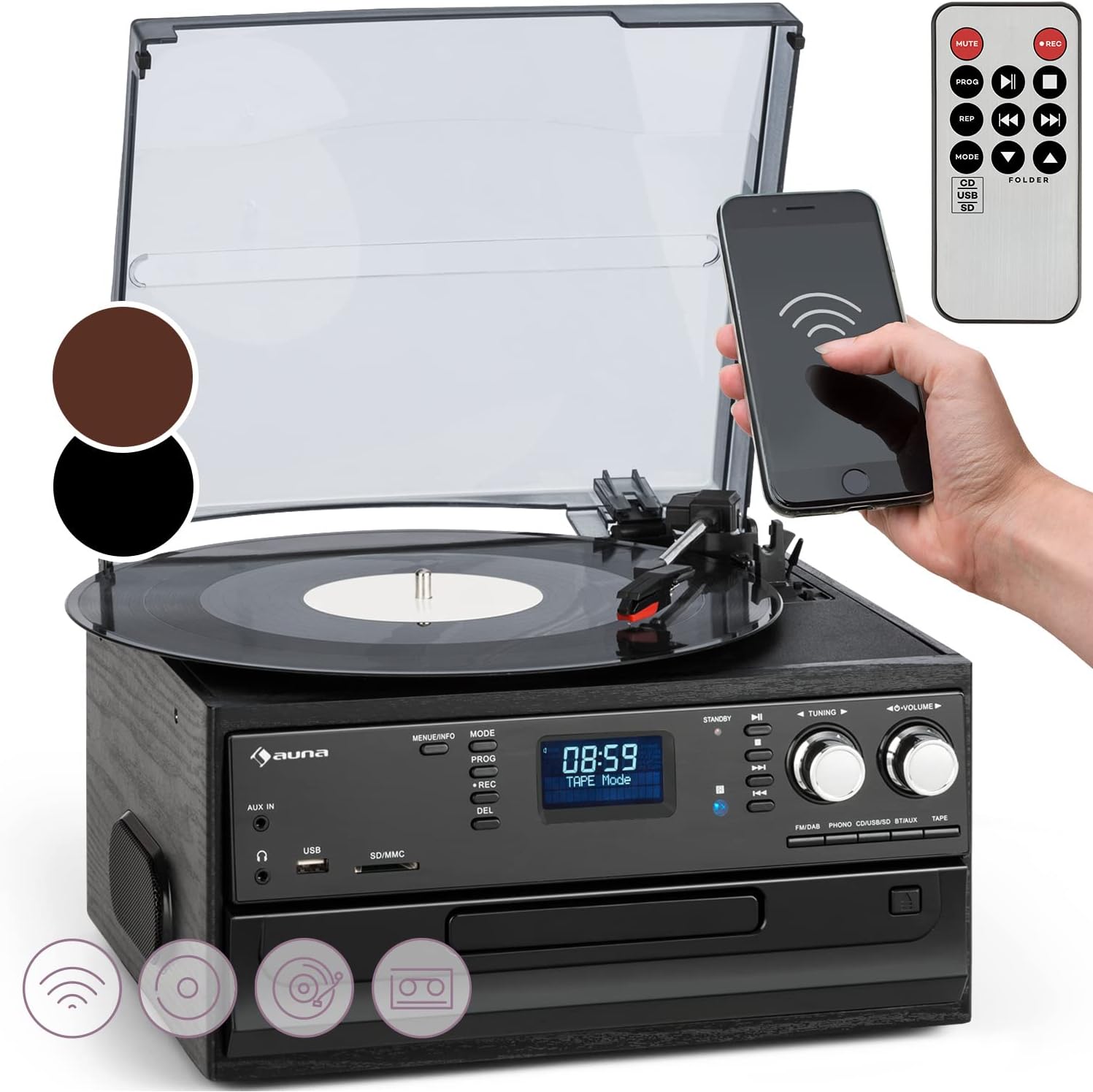
It is not aimed at buyers who mainly want a portable suitcase player, a decorative retro music centre or a casual Bluetooth record player for background listening. Those can be enjoyable products, but they are not built around the same priorities as a serious hi-fi turntable.
What Premium Actually Means
Premium does not simply mean heavier, shinier or more expensive. In turntable terms, it should mean better control of mechanical movement and lower interference between the record groove and the stylus.
A turntable is a vibration management device. The stylus is trying to read tiny movements in the groove, so motor noise, bearing rumble, footfall vibration and tonearm resonance can all blur the sound.
The main benefits you are paying for should be:
- More consistent pitch, so piano notes and sustained vocals sound steadier.
- Lower noise from the motor, bearing and plinth.
- Better tracking, so difficult inner grooves are less strained.
- More precise cartridge setup, so the stylus sits correctly in the groove.
- Longer-term upgrade options, especially for cartridges and phono stages.
What to Consider Before Buying
Start with the rest of your system. A premium turntable only makes sense if your amplifier, phono stage and speakers are revealing enough to show the improvement.
Check whether your amplifier has a phono input. If it only has line inputs, you will need a separate phono stage or a turntable with a built-in one.
Then decide how much setup you are willing to do. Some premium decks are simple and factory-prepared, while others reward careful levelling, alignment, tracking force setting and cartridge matching.
Before comparing models, write down:
- Your current amplifier and whether it has a phono input.
- Your speakers or headphones and how revealing they are.
- Whether you want manual, semi-automatic or automatic operation.
- Whether you prefer belt drive or direct drive.
- Whether cartridge upgrades are part of the plan.
- How stable your furniture and floor are.
Budget and System Balance
A premium turntable purchase should include more than the deck itself. You may need a cartridge, stylus replacement plan, phono stage, isolation platform, wall shelf, cleaning tools and better interconnects.
Avoid spending the whole budget on the turntable if it leaves you using a weak cartridge or unsuitable phono input. The improvement from a properly matched cartridge and phono stage can be larger than a small step up in deck price.
As a practical approach, think in system balance rather than fixed percentages. If your amplifier and speakers are modest, a very high-end turntable may be underused until the rest of the system catches up.
For many buyers, the sensible path is:
- Confirm the turntable is mechanically strong and correctly specified for your needs.
- Choose a cartridge that suits the tonearm and your phono stage.
- Put the deck on a rigid, level and low-vibration support.
- Upgrade the phono stage later if the cartridge deserves it.
Features That Matter Most
Speed stability is one of the most important factors. If the platter does not rotate evenly, music can sound slightly unstable, especially on piano, strings and held vocal notes.
Tonearm quality is just as important. The tonearm must let the cartridge track the groove accurately while controlling unwanted movement and resonance.
Adjustability matters because cartridges are not all the same. At a premium level, look for proper tracking force adjustment and anti-skate, and check whether the arm allows cartridge alignment and, ideally, height adjustment.
The cartridge is the part that reads the record. Moving magnet cartridges are common, easy to match and usually have replaceable styli, while moving coil cartridges can be more revealing but often need a suitable phono stage and professional retipping or replacement.
Isolation is the turntable's resistance to vibration from speakers, floors and furniture. A good plinth, feet and support surface can reduce feedback, muddiness and skipping.
The bearing and platter also matter. The bearing supports the platter as it spins, while the platter helps maintain stable rotation and provides a suitable surface for the record.
Essential features to prioritise:
- Accurate speed and easy speed selection for the records you play.
- A tonearm that suits a wide range of cartridges.
- Reliable tracking force and anti-skate adjustment.
- Good isolation from furniture and speaker vibration.
- A clear upgrade path for cartridge and phono stage.
Optional conveniences to treat separately:
- Built-in phono stage.
- Bluetooth output.
- USB recording.
- Automatic start or stop.
- Electronic speed change.
- Hinged dust cover design.
Drive Systems, Tonearms and Cartridges
Belt drive and direct drive are the two main drive systems. Belt drive uses an elastic belt between motor and platter, while direct drive places the motor at the centre of the platter system.
Belt drive designs are often valued for motor isolation and simplicity. Direct drive designs are often valued for strong speed control, quick start-up and long-term consistency.
Neither type is automatically better. A well-made belt drive deck can outperform a poor direct drive deck, and a well-made direct drive can sound clean, stable and highly controlled.
Tonearm matching is where many premium purchases succeed or fail. A cartridge has a compliance rating, which is a measure of how springy its suspension is, and it should suit the effective mass of the arm.
In plain terms, a cartridge and tonearm need to move together correctly. A poor match can lead to weak bass, mistracking, exaggerated surface noise or a sound that never settles.
Cartridge choice should reflect your records and listening style. If you play many older, worn or second-hand records, a forgiving cartridge may be wiser than the most revealing option.
System Compatibility
Check phono stage compatibility before you buy. A moving magnet input will suit many common cartridges, but a low-output moving coil cartridge usually needs a dedicated moving coil input or a suitable step-up device.
Gain is the amount a phono stage boosts the tiny cartridge signal. Too little gain can sound weak and noisy, while too much can overload the input and make the sound harsh or distorted.
Loading is the electrical match between cartridge and phono stage. With moving magnet cartridges this is usually straightforward, but moving coil cartridges can be more sensitive to loading choices.
Also check whether the turntable needs an earth wire. If it does, your amplifier or phono stage should have a grounding post to help prevent hum.
Speaker placement affects turntable performance. If speakers are close to the deck or on the same furniture, bass energy can feed back into the cartridge.
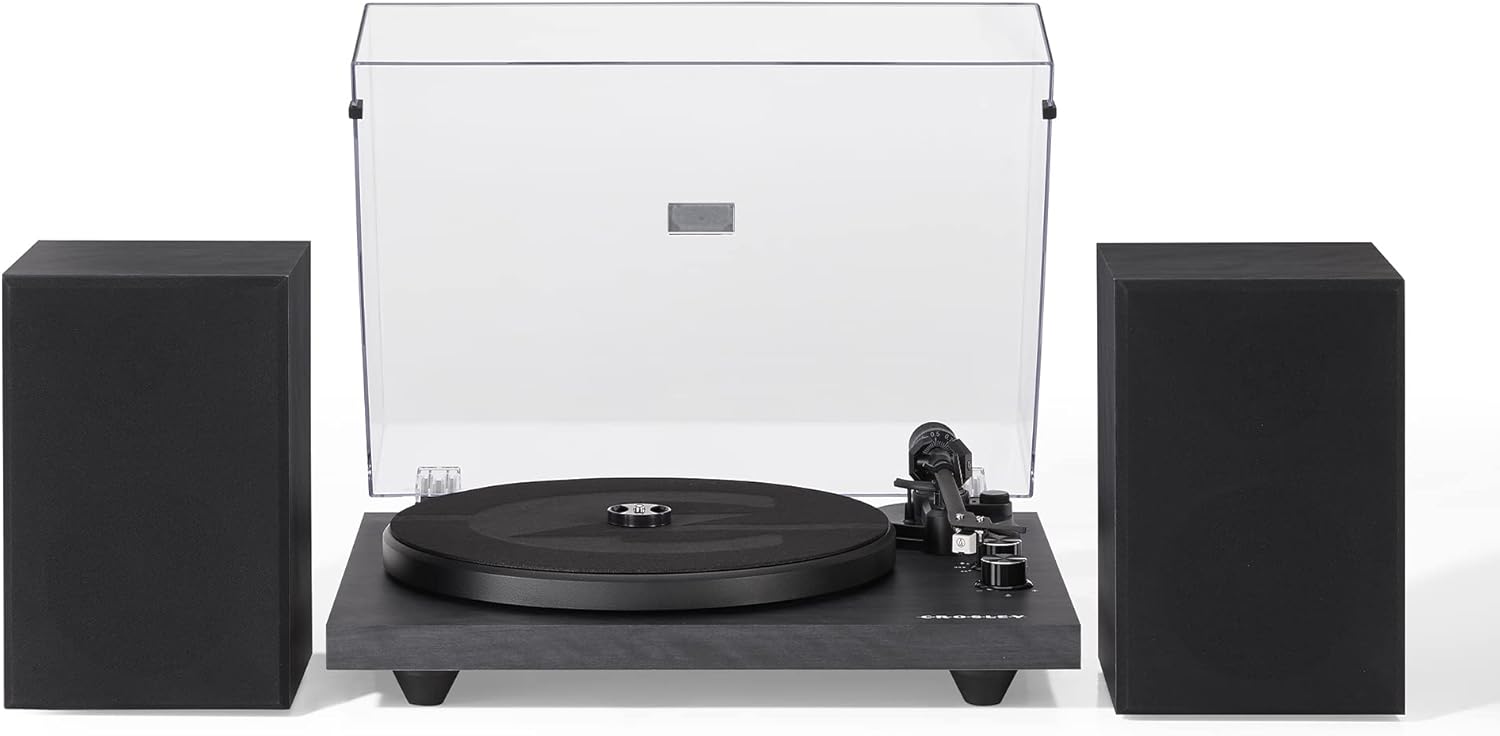
For powered speaker systems, make sure the signal chain is clear. A turntable needs a phono stage before it feeds line-level inputs on powered speakers such as many bookshelf speaker systems.
Choosing for Different Buyers
The best premium choice depends on how you actually listen. A deck that suits a careful weekend listener may not suit someone who plays records every evening after work.
For the detail-focused listener, prioritise a rigid tonearm, precise cartridge setup and a quiet phono stage. Manual operation is often acceptable if you value performance over convenience.
For the convenience-focused listener, consider a deck with auto-stop, automatic operation or a built-in phono stage. Models in the automatic category, such as the Pro-Ject Automat A1 or Denon DP-300F, illustrate the kind of direction to consider, though they should still be judged on system fit.
For the upgrade-minded listener, choose a turntable with a standard cartridge mount and enough tonearm adjustability. This makes it easier to change cartridges without replacing the whole deck.
For the direct-drive buyer, products such as the Technics SL-100C and Technics SL-1500C show why this route appeals to listeners who value speed confidence and low-maintenance operation. Check cartridge, phono stage and feature differences rather than assuming all direct-drive decks serve the same purpose.
For the minimalist hi-fi buyer, Rega and Pro-Ject designs often show the appeal of simpler manual decks with fewer built-in extras. The trade-off is that setup, support and external electronics become more important.
For the listener with many used records, do not automatically choose the most analytical cartridge. A slightly warmer or more forgiving cartridge can make a mixed collection more enjoyable.
For the digitising buyer, USB turntables such as the Sony PS-HX500 or Denon DP-450USB show the type of feature set to look at. However, USB should not be the main reason to buy a premium deck unless archiving is genuinely part of your listening routine.
Common Mistakes
The most common mistake is treating the turntable as a standalone purchase. It is part of a chain, and the weakest link can limit the whole result.
Another mistake is assuming a heavier plinth always means better sound. Weight can help in some designs, but engineering quality, bearing performance, tonearm design and isolation matter more than mass alone.
Do not overlook setup. A poorly aligned cartridge can cause distortion, inner-groove problems and unnecessary record wear.
Avoid these errors:
- Buying a moving coil cartridge without checking phono stage compatibility.
- Choosing a deck mainly because it has Bluetooth or USB.
- Placing the turntable between loudspeakers on a resonant cabinet.
- Ignoring stylus replacement cost and availability.
- Forgetting that a dust cover can transmit vibration if used while playing.
- Assuming factory setup is always perfect after shipping.
Auditioning, Setup and Ownership
If you can audition, use records you know well. Include at least one quiet acoustic record, one record with strong bass and one record with inner-groove vocals or strings.
Listen for pitch stability, surface noise, vocal focus, bass control and whether the sound becomes hard or congested near the end of a side. Do not make a decision based only on impressive bass or a wide stereo image.
When setting up at home, take your time. Premium decks are more revealing of small errors, so careful installation is part of the purchase.
A sensible setup order is:
- Place the turntable on a level, rigid surface away from speaker vibration.
- Fit the platter, belt or mat as instructed by the manufacturer.
- Balance the tonearm and set tracking force accurately.
- Set anti-skate according to the cartridge and arm guidance.
- Align the cartridge if it is not factory-fitted or if you have changed it.
- Connect the earth wire if required and check for hum.
- Play a clean record and listen for mistracking, distortion or imbalance.
Ownership also means maintenance. Keep the stylus clean, replace it when worn, store records upright and clean records before judging the turntable's performance.
Final Checklist
Use this checklist before you buy. It is designed to catch compatibility issues and prevent expensive mismatches.
- The turntable has stable speed and suits the record speeds you use.
- The tonearm supports the cartridge you want now and possible upgrades later.
- The cartridge is compatible with your phono stage.
- Your amplifier or phono stage has the right input and, if needed, an earth terminal.
- You have budget left for setup tools, record cleaning and stylus replacement.
- The turntable can sit on a rigid, level and low-vibration surface.
- The dust cover, size and cable routing suit your furniture.
- You know whether you want manual, automatic or semi-automatic use.
- Bluetooth, USB and built-in phono are treated as conveniences, not core performance features.
- You have checked return conditions in case of hum, shipping damage or setup incompatibility.
Final pre-purchase test:
- Name the cartridge you will use.
- Name the phono stage or phono input it will connect to.
- Decide where the turntable will physically sit.
- Confirm who will set it up and align the cartridge.
- Check when and how the stylus will be replaced.
If you cannot answer those points, pause before buying. The right answers will narrow the field quickly.
Frequently asked questions
Is a premium turntable worth it if my records are mostly second-hand?
Yes, but choose carefully. A better turntable can track worn records more securely and reduce mechanical noise, but a very revealing cartridge may also expose damage and surface noise.
For mixed-condition collections, prioritise good tracking and a cartridge that is musical rather than ruthlessly analytical.
Should I buy a turntable with a cartridge included?
A supplied cartridge can be useful because it gives you a known starting point and may be factory aligned. It also avoids the immediate cost and uncertainty of choosing a separate cartridge.
However, check whether it suits your phono stage and whether the stylus is replaceable. If you already have a preferred cartridge, a deck sold without one may make more sense.
Do premium turntables need an external phono stage?
Not always. Some have a built-in phono stage, while others require an external one or an amplifier with a phono input.
An external phono stage usually gives more upgrade flexibility. It is especially worth considering if you plan to use a moving coil cartridge or experiment with cartridge loading.
Is direct drive better than belt drive for serious listening?
Not automatically. Direct drive can offer excellent speed control and convenience, while belt drive can offer simple mechanical isolation and a clean design.
Judge the individual turntable, tonearm, cartridge match and setup rather than choosing by drive type alone.
How important is automatic operation on a premium deck?
Automatic operation is mainly a convenience feature. It can be helpful if you often fall asleep while listening, share the turntable with less confident users, or want to reduce handling mistakes.
Some purist designs avoid automation to keep the mechanism simple. That does not make them automatically better, but it does mean you must be comfortable cueing and stopping records yourself.
Can I use Bluetooth with a premium turntable?
You can, if the turntable or connected system supports it, but Bluetooth changes the signal into a wireless digital stream. That may be convenient, but it is not usually the best way to hear what a premium analogue front end can do.
If sound quality is the priority, use a wired connection into a suitable phono stage and amplifier. Treat Bluetooth as a secondary convenience for casual listening.
What should I upgrade first: cartridge, phono stage or turntable?
Start by checking setup, stylus condition and placement. If those are already right, the best upgrade depends on the current weak point.
A better cartridge can bring a clear change, but only if the tonearm and phono stage suit it. If your phono stage is basic or noisy, upgrading it may unlock more from the cartridge you already have.
How do I avoid hum with a premium turntable?
Use the correct grounding arrangement first. If the turntable has an earth wire, connect it to the grounding post on the phono stage or amplifier.
Keep signal cables away from mains cables and power supplies where possible. If hum remains, do not open equipment or attempt electrical repairs; ask the retailer, manufacturer or a qualified technician for help.
Final recommendation
A confident premium turntable purchase starts with system matching, not brand loyalty. Decide what your amplifier, phono stage, speakers, room and records actually need before choosing the deck.
Focus on speed stability, tonearm quality, cartridge compatibility and isolation. Treat Bluetooth, USB, automatic operation and built-in phono stages as conveniences unless they are central to how you listen.
Your next step is to shortlist two or three turntables that fit your system, then confirm cartridge and phono stage matching before buying. If possible, audition with familiar records and arrange proper setup, because a premium deck only performs at its best when installed with care.