Introduction
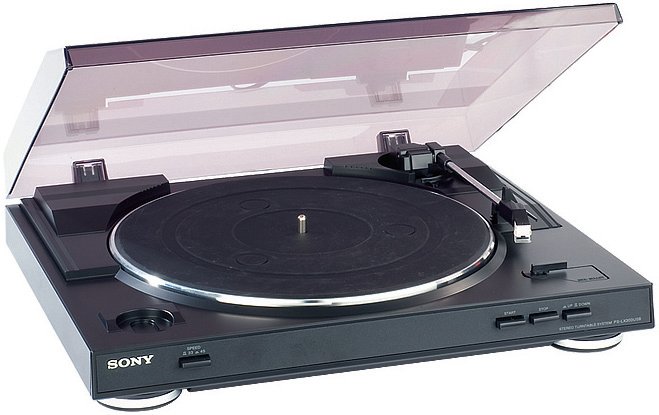
The Sony PS-LX300 USB Vinyl Turntable is a simple automatic belt-drive record player with USB output for transferring records to a computer. It suits beginners, casual listeners and owners of older LP collections who want convenience rather than a highly adjustable hi-fi deck.
Watch the product video
The official model styling is PS-LX300USB, and it should not be confused with Sony’s later PS-LX310BT, which adds Bluetooth. This is best viewed as a legacy entry-level USB turntable, commonly considered for used, refurbished or remaining-stock purchase rather than as a current premium option.
Its main appeal is straightforward operation: press a button, play a record, and let the arm return automatically. Buyers expecting cartridge upgrades, Bluetooth streaming or an all-in-one player with speakers should look elsewhere.
Design and build
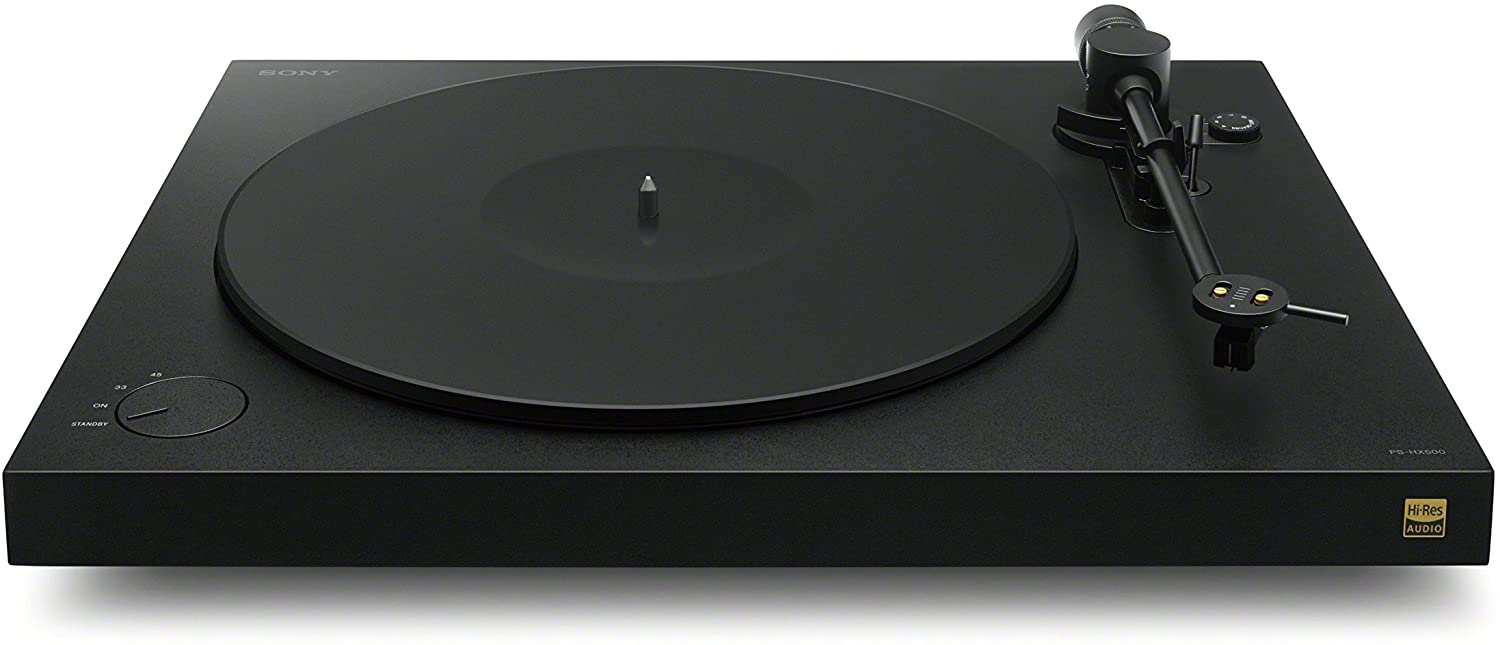
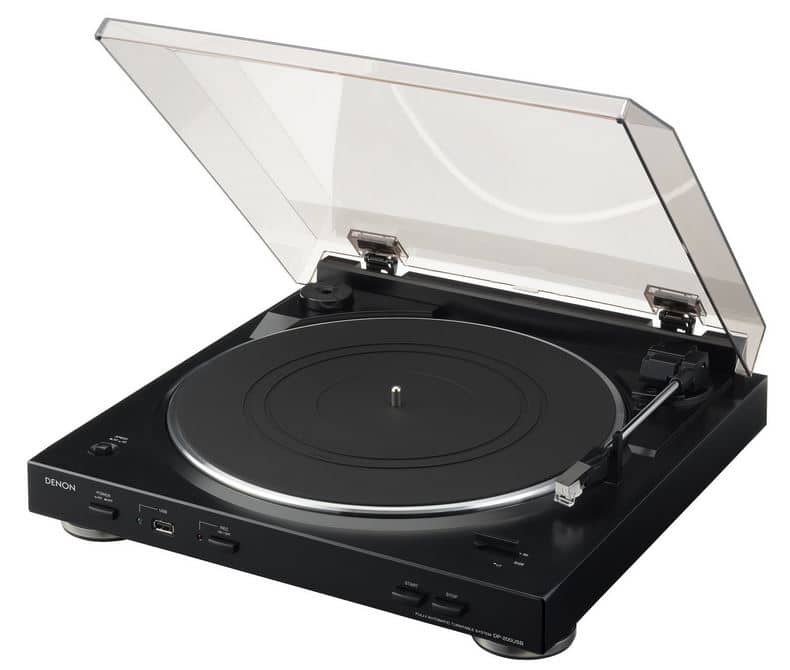
The PS-LX300USB has the familiar low-profile look of a budget automatic turntable, with a dust cover, front-panel controls and a compact rectangular plinth. Its construction is lightweight and largely plastic, so it is built more for domestic convenience than for isolation from vibration.
Sony specifies a 295 mm aluminium die-cast platter with a rubber mat, which is a sensible arrangement at this level. The platter and mat give the deck a more credible base than many suitcase-style players, although the overall build remains modest compared with heavier hi-fi turntables.
Practicality is mixed. The attached RCA lead keeps basic connection simple, but it is less convenient if the cable is too short or becomes damaged. The integrated cartridge and headshell arrangement also keeps setup easy while limiting future cartridge changes.
Controls are designed for non-technical use, with speed and record-size selection plus automatic start and arm return. There is no user tracking-force or anti-skate adjustment, which reduces setup anxiety but also removes useful fine-tuning options.
Features
The headline feature is USB recording, allowing the turntable to send audio to a computer for digitising records. It was supplied with Sound Forge Audio Studio LE software, but that CD-ROM-based workflow and the official computer guidance are now dated, so modern users may prefer compatible current recording software.
Fully automatic operation is the other major attraction. Pressing START begins playback, and the tonearm returns at the end of a side, making the deck approachable for anyone nervous about manual cueing.
The switchable PHONO/LINE output broadens compatibility. Set to LINE, it can feed powered speakers, AUX inputs or line-level inputs; set to PHONO, it can connect to an amplifier or receiver with a dedicated phono input.
Playback is limited to 33 1/3 and 45 rpm records, with size selection for 17 cm and 30 cm discs. The stylus is replaceable, but the cartridge is not intended as a normal user-upgrade platform.
Setup
Setup is deliberately simple. Fit the platter, hook the belt around the motor pulley, place the rubber mat, connect the attached RCA cable and choose PHONO or LINE to match the receiving input.
For playback, place one record on the platter, choose 33 or 45 rpm, set the record-size selector, uncover the stylus and press START. Manual cueing is also available via the UP/DOWN control, but the deck is primarily intended for push-button operation.
USB recording requires more patience. Users need to connect the USB Type-B output directly to a computer, select the USB Audio CODEC as the recording device and use suitable recording software, which may be less seamless on modern computers than the original bundled package suggests.
Performance
Day-to-day performance is centred on convenience. The automatic start, return and stop functions reduce record handling and make the PS-LX300USB well suited to casual listening, especially for users who simply want to play LPs without learning tonearm setup.
Sony specifies belt drive, a DC motor and wow and flutter of less than 0.25% WRMS, which places it in basic starter-turntable territory. The design is adequate for everyday LP playback, but its lightweight construction and fixed setup mean it is not aimed at users trying to extract maximum performance from pressings.
Connectivity is flexible for an entry-level unit. The built-in phono equaliser means it can work with systems that lack a phono stage, while the PHONO setting allows use with a traditional phono input.
USB is useful, but it should be treated as a recording feature rather than something needed for normal listening. The manual advises disconnecting the USB cable when it is not in use, as it may introduce noise.
Sound quality
The PS-LX300USB should be understood as a convenience-grade turntable rather than an audiophile source. Its moving-magnet cartridge, fixed tracking force, belt drive and built-in phono stage are consistent with a basic but usable starter deck.
For casual listening, it has a clear advantage over many all-in-one suitcase players because it is designed to connect to proper powered speakers, an amplifier or a receiver. The final result will depend heavily on the connected system and on the condition of the stylus, belt and records.
The limitations are equally important. The fixed cartridge arrangement, lack of tracking-force adjustment and modest build restrict dynamics, refinement and upgrade potential compared with more serious manual hi-fi decks.
Used examples deserve particular caution. A worn stylus or ageing belt can undermine sound quality and may risk record wear, so these parts should be checked before relying on the deck for regular playback.
Pros
- Fully automatic start, return and stop make it beginner-friendly USB output supports record digitising to a computer Switchable PHONO/LINE output works with a wider range of systems Replaceable stylus helps keep a used unit serviceable Better system flexibility than all-in-one suitcase record players Simple setup with no tonearm balancing required
Cons
- Discontinued legacy model, so condition and price matter greatly No
- Bluetooth, built-in speakers or headphone output Integrated cartridge limits meaningful upgrade options Fixed tracking force and no user anti-skate adjustment Attached RCA cable is inconvenient if too short or damaged Original recording software and computer guidance are dated
Verdict
The Sony PS-LX300 USB Vinyl Turntable remains a practical option if the goal is simple automatic playback and occasional record digitising. Its strengths are ease of use, flexible analogue connection and a USB output, not tweakability or high-end performance.
As a used or legacy purchase, it should be judged carefully on condition. Check the stylus, belt, dust cover, hinges, automatic mechanism and both RCA channels before committing, and avoid paying a premium unless the unit is genuinely well preserved.
For beginners on a modest budget it can still make sense, especially as an alternative to a suitcase player. For better sound, modern software convenience, Bluetooth or upgrade potential, a newer or more adjustable turntable will be the stronger long-term choice.