Introduction
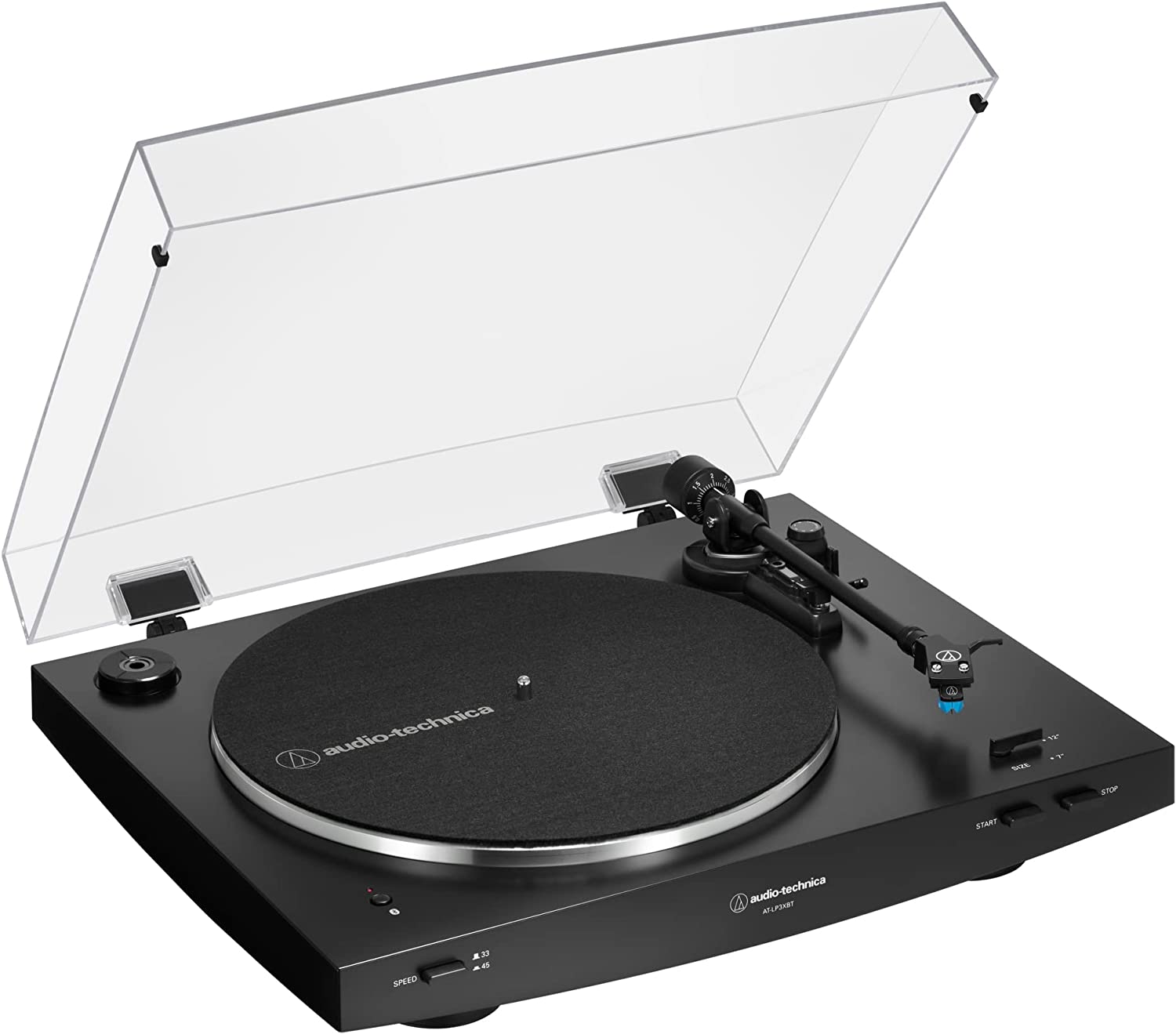
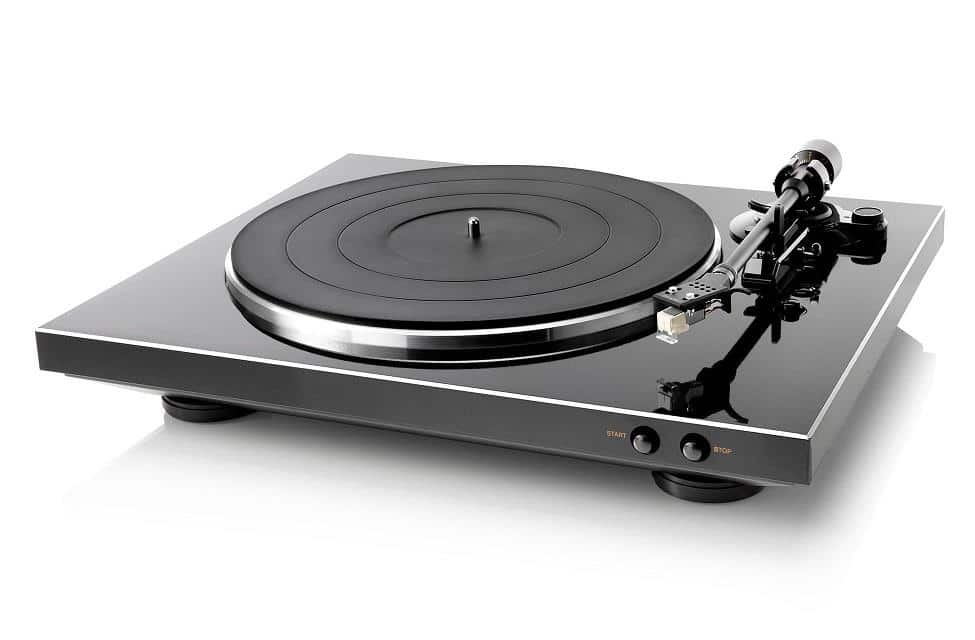
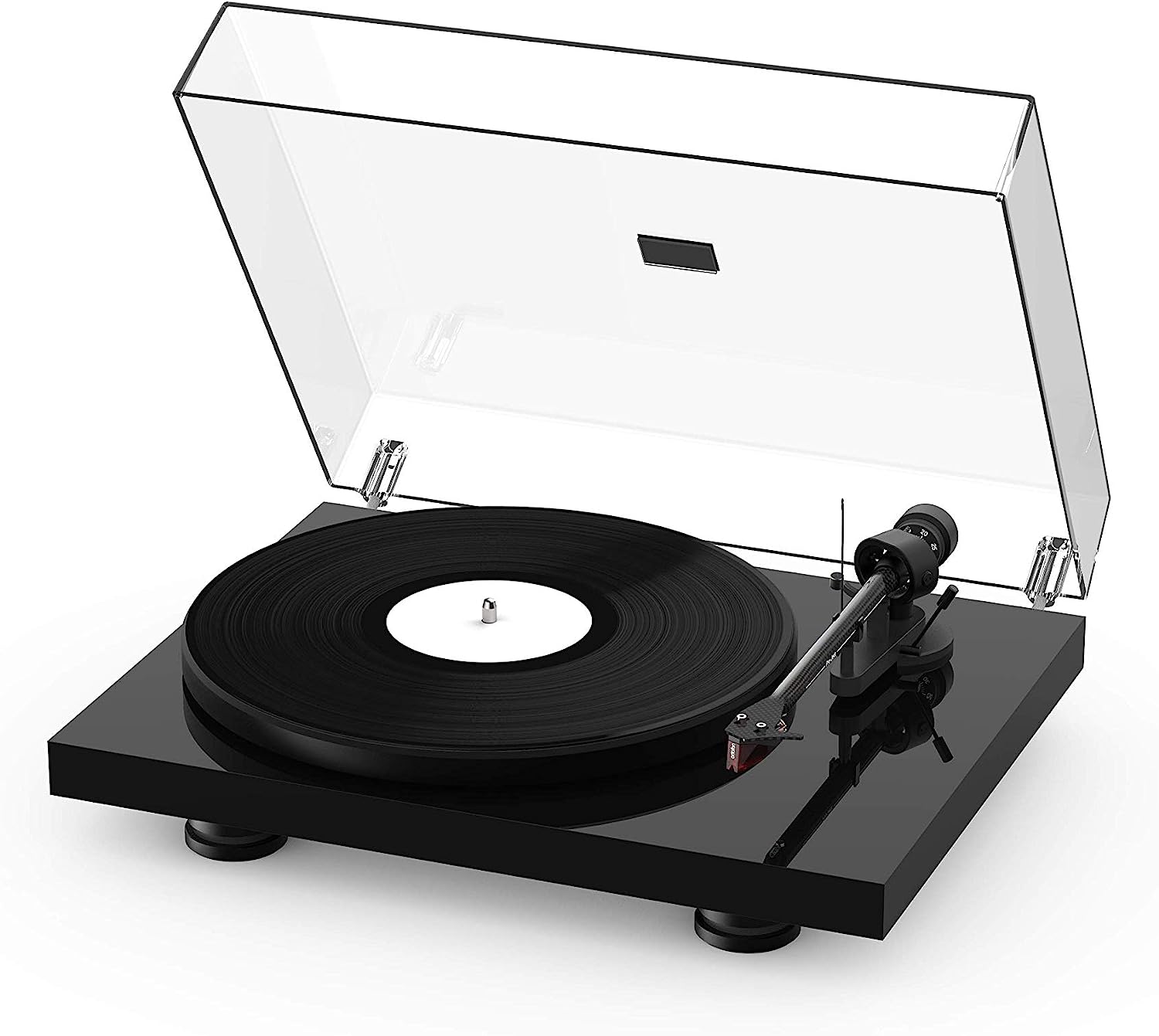
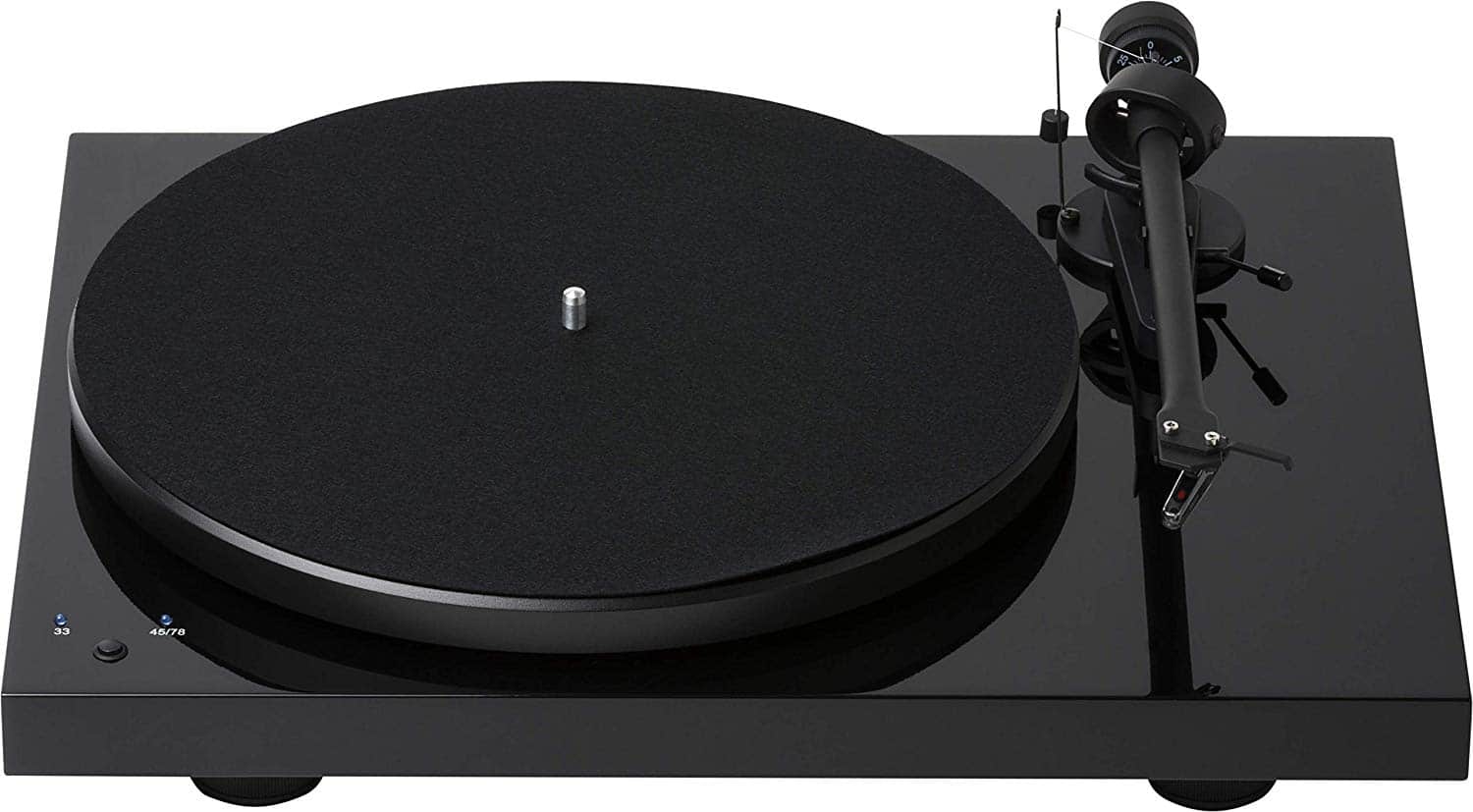
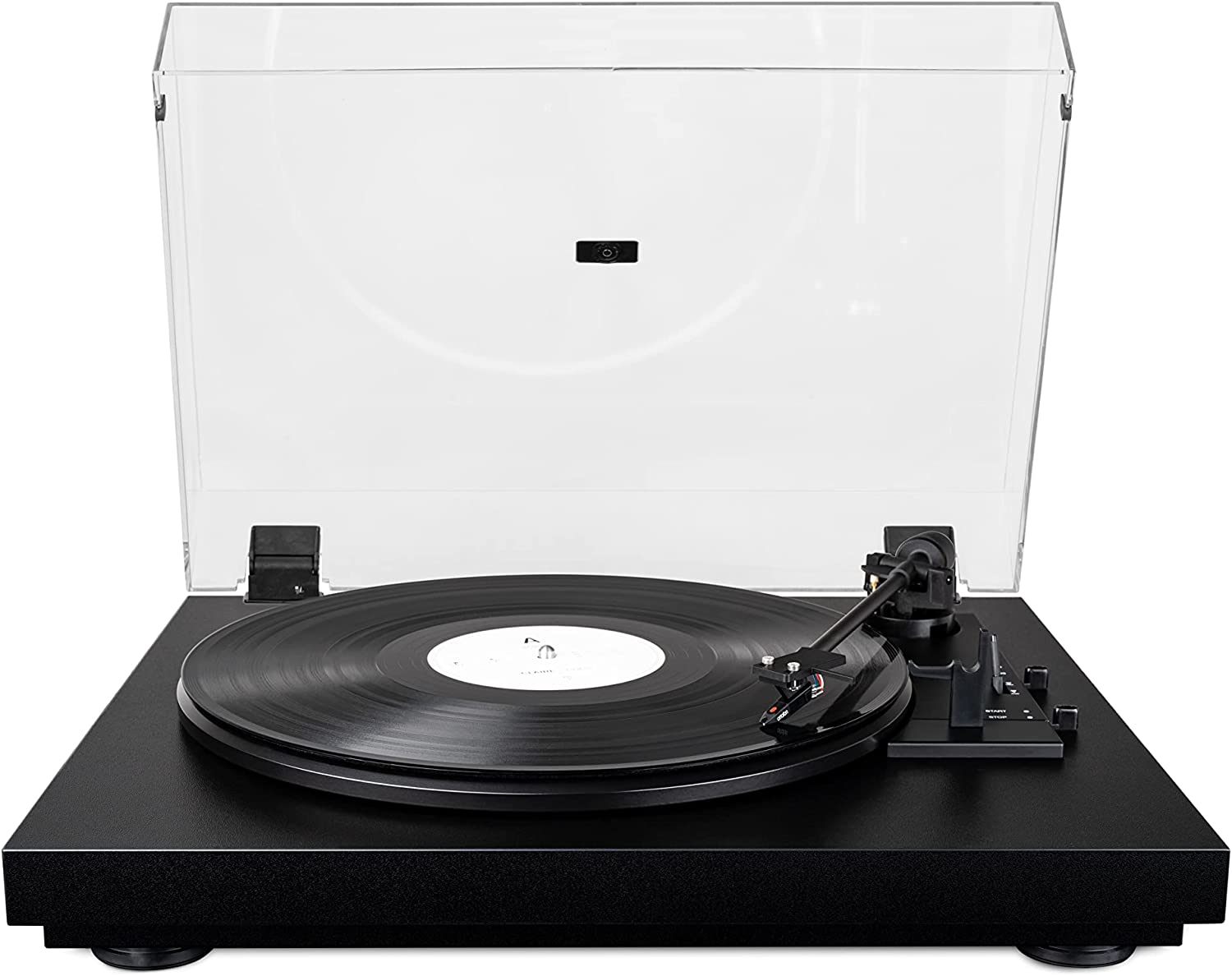
The Pro-Ject Automat A1 Turntable is a fully automatic belt-drive record player with a built-in switchable moving-magnet phono stage. It is aimed at listeners who want a proper hi-fi-style turntable without having to cue the arm by hand or set up the cartridge from scratch.
Watch the product video
Its strongest appeal is convenience. The A1 starts playback, lowers the tonearm, returns it at the end of the side and stops the motor, making it well suited to beginners, casual vinyl users and anyone who wants to reduce stylus-handling risk.
This review refers to the original Automat A1, not the later A1.2. That distinction matters because the newer model is documented separately and should not be assumed to share the same details.
Design and build
The Automat A1 has a traditional rectangular turntable layout rather than a lifestyle all-in-one design. Pro-Ject describes the chassis as a heavy wooden construction with attention paid to avoiding hollow spaces, while the aluminium platter is internally damped and precision balanced.
The 8.3-inch aluminium tonearm is an ultra-light-mass design with a carbon-fibre-reinforced polymer headshell. It uses a fixed counterweight, with tracking force and anti-skating pre-adjusted at the factory, so the deck is built around plug-and-play use rather than hands-on tweaking.
Controls are deliberately simple, with automatic start and electronic 33/45 RPM speed selection. The convenience is slightly offset by the phono-stage switch being accessed through the platter area, which is less straightforward than a rear-panel switch.
A fixed RCA cable with earth lead keeps connection simple and avoids another setup decision. The downside is that cable replacement is not a normal upgrade path, and it can make troubleshooting less flexible if a cable-related issue arises.
Features
The headline feature is full automation. Pressing Start sets the platter in motion, moves the arm to the lead-in groove, lowers it, then lifts and returns the arm when the record finishes before stopping the motor.
The factory-fitted Ortofon OM10 moving-magnet cartridge is a major advantage for new users. It is already aligned, and the tracking force and anti-skating are preset, removing several common setup hurdles.
The built-in MM phono preamp allows the A1 to connect to a normal line input on an amplifier or powered speakers. If the system already has a suitable MM phono input or an external phono stage, the internal preamp can be switched off.
Electronic speed change is useful for moving between LPs and 7-inch singles without touching the belt. However, the automatic 45 RPM start position is preset for 7-inch singles, so 10-inch 45 RPM singles and 12-inch 45 RPM records need to be started manually.
Setup
Setup is deliberately simple. Place the deck on a level, rigid surface, fit the dust cover and mat, connect the fixed RCA plugs, choose whether the built-in phono stage should be on or off, connect power and remove the stylus guard.
There is no need for cartridge alignment, counterweight balancing or anti-skate adjustment in normal use. That makes the A1 far less intimidating than many manual decks for someone buying their first serious turntable.
Daily operation is also easy, but users should note the 45 RPM automation limitation. Standard 12-inch LPs and 7-inch singles suit the automatic start positions, while 10-inch 45s and 12-inch 45 RPM records require manual cueing.
Performance
In day-to-day use, the A1 is designed to remove friction from vinyl playback. The automatic action covers start, cueing, end-of-side lift, return and motor stop, which is more comprehensive than a deck that merely stops at the end of a record.
Pro-Ject states that the mechanical automatic system disengages during playback. That is important because it is intended to avoid the automation adding drag or interfering with the arm once the record is playing.
The official speed figures are modest rather than exceptional, with stated wow and flutter of ±0.27% at 33 RPM and ±0.25% at 45 RPM, plus stated speed variance of ±0.75% and ±0.65% respectively. Independent professional feedback also points to speed stability, rumble and hum behaviour as areas where stronger manual or more advanced decks may do better.
Connectivity is analogue only. There is no verified Bluetooth, USB output or built-in speaker support for the original A1, so wireless playback or vinyl ripping will require extra equipment.
Sound quality
The A1 is best understood as a convenience-first hi-fi turntable rather than a purist performance deck. Its Ortofon OM10 cartridge, elliptical stylus and ultra-light arm give it a more credible starting point than many basic automatic models with lesser cartridge arrangements.
Supported review evidence describes the A1 as capable of clear, enjoyable and reasonably detailed playback. It should suit relaxed listening well, especially for buyers upgrading from very basic record players or looking for an automatic deck with a recognised cartridge.
There are limits to its likely sonic ceiling. The factory-fixed tonearm setup, modest official speed specifications and measured concerns reported in professional testing mean performance-focused buyers may get better sound per pound from a good manual turntable.
The internal phono stage is useful and practical, but it should be viewed as a convenience feature rather than the final word in resolution or dynamics. Using a good external MM phono stage or a quality amplifier phono input may be a sensible upgrade path.
Pros
- Fully automatic start, tonearm lowering, return and motor stop Factory-fitted and aligned Ortofon OM10 moving-magnet cartridge Built-in switchable MM phono stage for line-level systems Electronic 33/45 RPM speed selection Simple setup with tracking force and anti-skating pre-adjusted Damped aluminium platter and heavy wood chassis construction
- Can also be started manually when required
Cons
- Automatic 45 RPM start is preset for 7-inch singles, not 10-inch or 12-inch 45 RPM records No verified
- Bluetooth or USB output on the original A1 Fixed RCA cable limits cable upgrades and troubleshooting flexibility Phono-stage switch location is less convenient than a rear-panel control Limited tonearm adjustment and cartridge-upgrade flexibility Speed stability and rumble performance are not class-leading
Verdict
The Pro-Ject Automat A1 is a sensible choice for buyers who prioritise easy, low-stress vinyl playback. Its full automation, pre-fitted Ortofon OM10 and switchable phono stage make it more credible than many convenience-led record players.
It is not the obvious pick for tinkerers or sound-quality purists. The fixed setup, awkward phono switch location, non-replaceable RCA cable and modest speed-related evidence all point towards a deck designed for simplicity rather than maximum performance.
If the price is close to the later A1.2 or a strong manual alternative, compare carefully before buying. For the right user, however, the original A1 remains a practical automatic turntable with a clear purpose.