Introduction
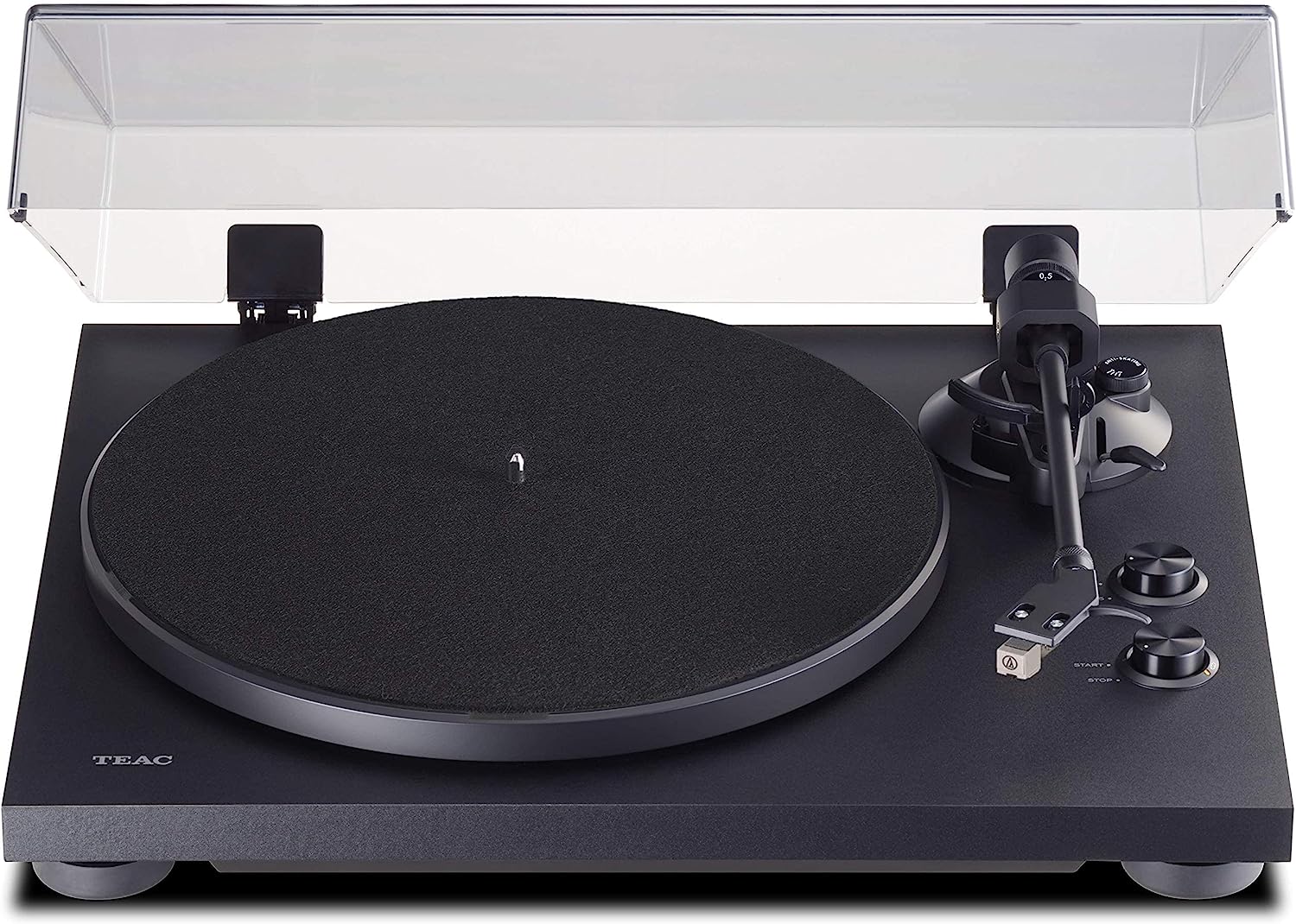
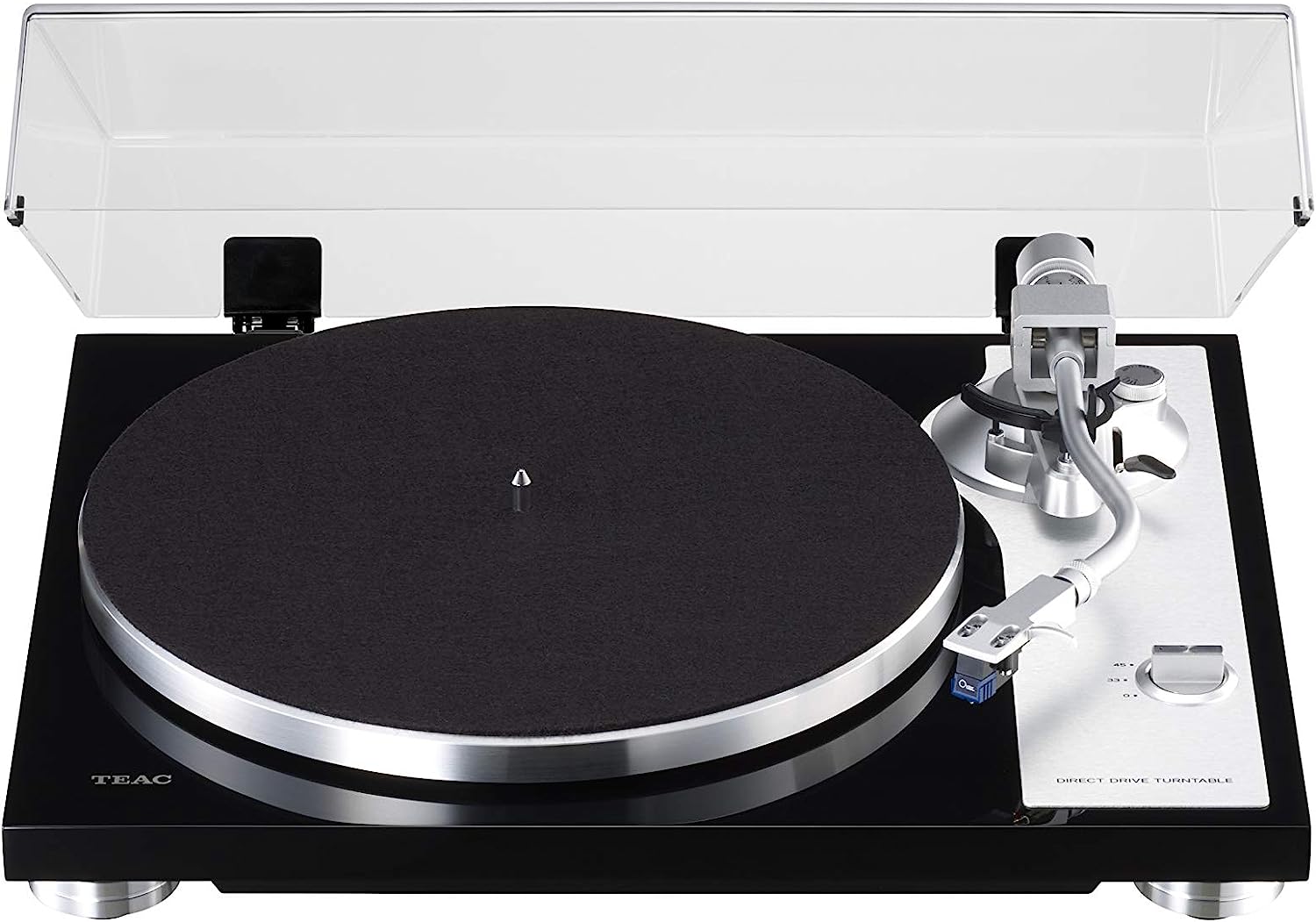
The Teac TN-4D-SE Turntable is a manual direct-drive hi-fi record player with a built-in moving-magnet phono stage and a supplied Sumiko Oyster cartridge. It suits buyers who want a serious, traditional turntable without the belt changes, wireless features or automatic mechanisms found on some more convenience-led models.
Watch the product video
This is not a DJ deck, despite the direct-drive motor, and it is not aimed at people who want Bluetooth, USB recording or automatic end-of-side operation. Its appeal is more about solid manual control, cartridge-upgrade flexibility and simple connection to a wide range of amplifiers or powered speakers.
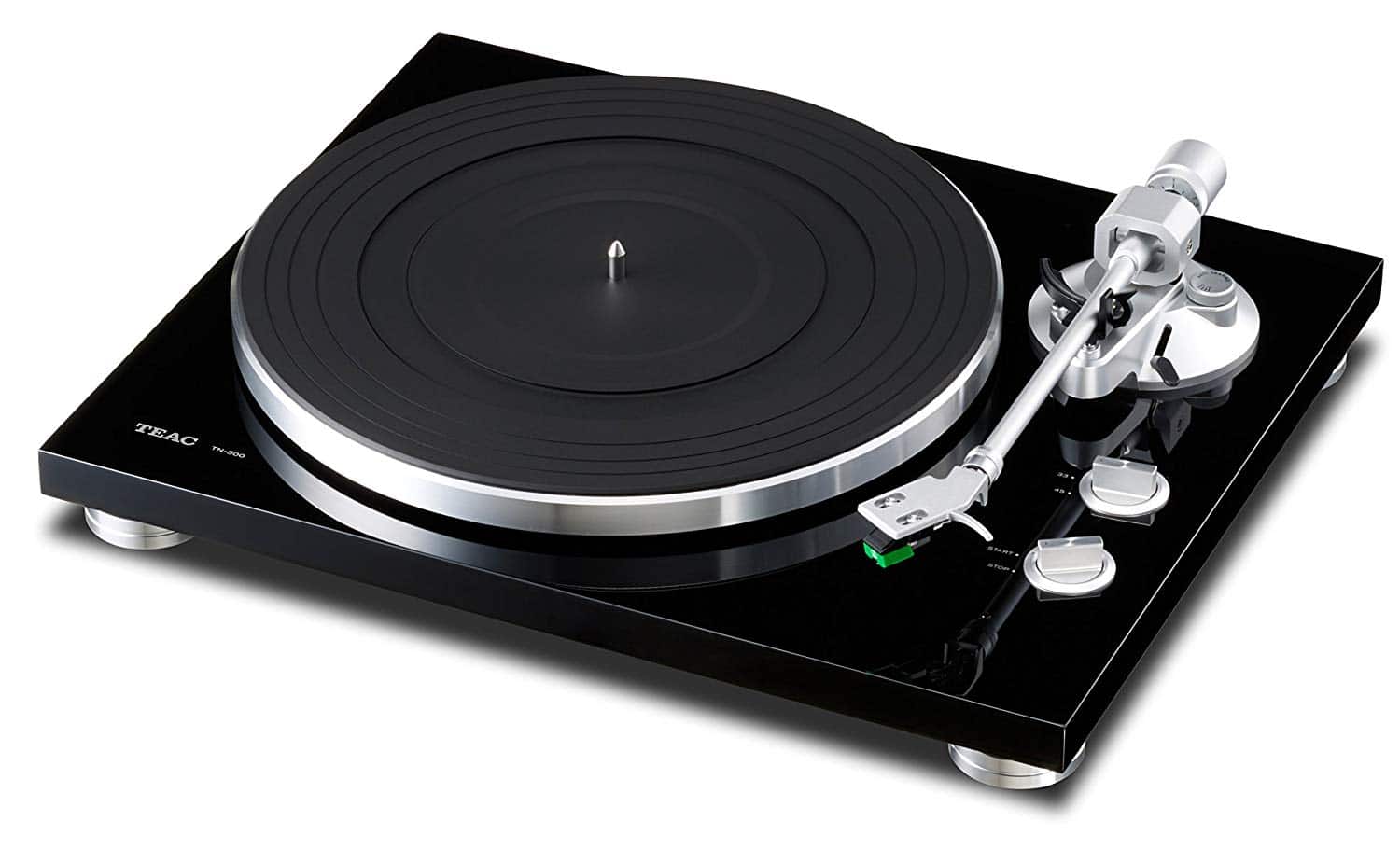
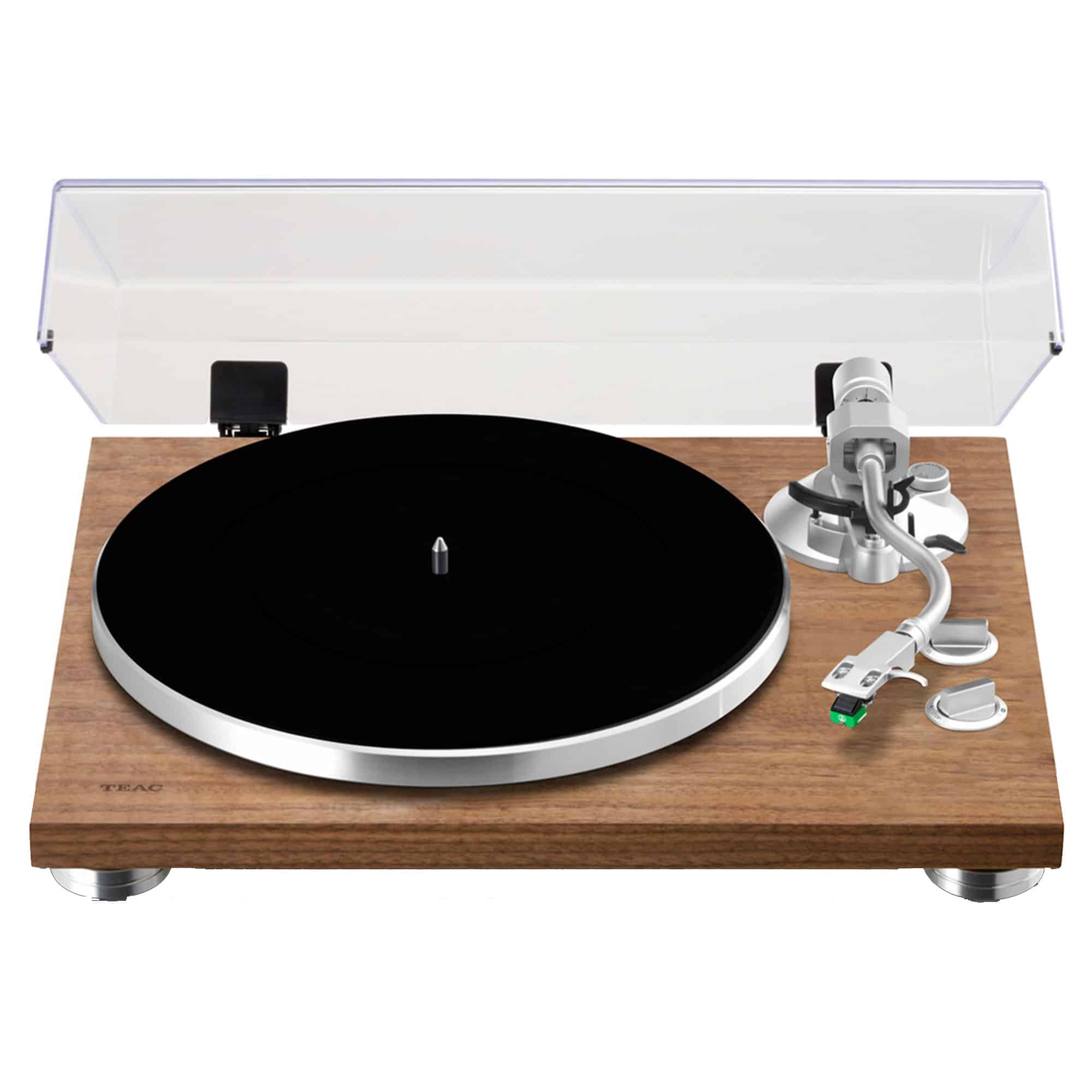
The TN-4D-SE name matters because it should not be confused with older or similarly named TEAC models. The SE version is available in piano black and walnut variants, with the same core turntable specification.
Design and build
The TN-4D-SE has a low-profile, full-size layout with a 30 cm die-cast aluminium platter and a high-density MDF plinth. Its styling is deliberately classic, combining an S-shaped tonearm, removable hinged dust cover and a straightforward top-mounted speed selector.
Build details are more hi-fi than lifestyle. The feet use a machined aluminium shell with rubber cushioning, and the plinth is offered in piano black or natural walnut veneer finishes depending on the variant.
The tonearm is a static-balanced S-shaped design with a knife-edge pivot-point bearing developed in collaboration with SAEC. A detachable universal headshell is fitted, which makes cartridge replacement and cartridge swapping more practical than on many fixed-headshell turntables.
Controls are intentionally simple. Speed selection covers 33 1/3 and 45 rpm, while arm cueing, tracking force and anti-skate are all handled manually by the user.
Features
The main feature is the direct-drive motor, which avoids belt replacement and gives easy electronic speed selection between LPs and 45 rpm singles. TEAC specifies a DC motor, with product literature describing brushless DC servo control and crystal-locked feedback.
A switchable built-in MM phono equaliser gives the deck useful system flexibility. Set PHONO EQ to ON for a line-level input or suitable powered speakers, or set it to THRU when using an external phono stage or an amplifier with its own phono input.
The supplied Sumiko Oyster is a moving-magnet cartridge pre-installed on the headshell. It gives the deck a ready-to-configure starting point, while the arm’s accepted cartridge-weight range and detachable headshell leave a clear upgrade route.
Important adjustment features are included rather than hidden away. The counterweight and anti-skate are user-adjustable, with TEAC recommending 2.3 g tracking force for the supplied cartridge.
Setup
Setup is not difficult for a manual hi-fi turntable, but it is not a one-step plug-and-play process. The platter, felt mat, counterweight, headshell and dust cover need to be fitted, then the tonearm must be balanced before tracking force and anti-skate are set.
For the supplied Sumiko Oyster, TEAC recommends 2.3 g tracking force, with anti-skate initially set around the same value. Correct setup matters for tracking, stylus wear and record care, so it is worth taking time rather than rushing the first installation.
Connection depends on the rest of the system. PHONO EQ ON should be used for normal line inputs or suitable powered speakers, while PHONO EQ THRU is for a proper phono input; using the wrong setting can produce excessive volume.
Performance
Day-to-day operation is fully manual. You select the speed, cue the arm, lower it onto the record, then return the arm yourself and turn the speed selector to 0 when the side has finished.
The direct-drive arrangement should appeal to buyers who dislike belt-drive maintenance and want simple 33/45 rpm switching. Official specifications list wow and flutter at 0.1% or less, though buyers who make speed precision their top priority may still want to compare higher-priced direct-drive alternatives.
Connectivity is practical rather than modern. RCA analogue outputs and a ground terminal are provided, but there is no listed Bluetooth or USB output for the TN-4D-SE.
The turntable is not designed for DJ use, scratching or hand-stopping the platter. It also does not support 78 rpm records, so shellac collectors will need a different model.
Sound quality
A cautious expectation is that the TN-4D-SE will deliver approachable hi-fi performance with a smooth, full presentation rather than an overtly analytical character. That assessment is based on the supplied Sumiko Oyster MM cartridge, the deck’s phono-stage options and the available published feedback.
The Sumiko Oyster is a credible bundled cartridge, but it is still an entry-level component. In more revealing systems, it is likely to be one of the first parts to consider upgrading.
The switchable phono stage is a useful strength because it lets the turntable work immediately with line-level equipment while preserving an upgrade path. Using a better external MM phono stage later may make sense if the rest of the system justifies it.
For moving-coil cartridges, the built-in phono equaliser is not suitable. MC use requires PHONO EQ set to THRU and an external MC-capable phono stage or amplifier input.
Pros
- Direct-drive motor avoids belt maintenance and gives easy 33/45 rpm selection Switchable built-in MM phono stage can be bypassed for upgrades Supplied Sumiko Oyster MM cartridge provides a credible starting point Detachable universal headshell makes cartridge changes easier Adjustable tracking force and anti-skate support proper cartridge setup Classic S-arm styling with piano black and walnut finish options RCA outputs and ground terminal suit conventional hi-fi systems
Cons
- Manual operation only, with no auto-return or auto-stop No
- Bluetooth or USB output listed for this model
- No 78 rpm speed Built-in phono stage supports MM cartridges only Supplied cartridge may limit performance in more revealing systems Not suitable for DJ use despite being direct drive
Verdict
The Teac TN-4D-SE Turntable is a well-specified manual deck for buyers who want direct-drive convenience without moving into DJ features or fully automatic operation. Its combination of S-shaped arm, detachable headshell, supplied Sumiko cartridge and switchable phono stage gives it useful flexibility.
Its limitations are clear: no automation, no USB, no Bluetooth, no 78 rpm and no MC support through the internal phono stage. Those are not hidden drawbacks so much as signs that this is a conventional hi-fi turntable aimed at manual vinyl playback.
If the final price is competitive against Technics, Pro-Ject, Rega, Dual and Audio-Technica alternatives, the TN-4D-SE is a strong candidate for a flexible mid-market vinyl system. Buyers focused on maximum convenience or measured speed engineering should compare carefully before committing.